

Papillon lifespan and senior care
How Long Do Papillons Live?
14–16Years, typical
Papillon longevity can be excellent, so owners need a long-game plan for teeth, knees, eyes, weight, and tiny-dog safety.
- Start watching at
- From 8 years
- Senior age
- Around 11-12 years
- Typical lifespan
- 14-16 years
Papillon lifespan, Papillon life expectancy, Papillon senior planning, and Papillon health problems: use the mid-teens as a planning frame while protecting dental comfort, patellas, eyes, weight, heart clues, and safe household movement. Papillon owner note: treat the range as a scheduling tool for baselines, repeatable home observations, and veterinary review; connect movement, appetite, sleep, body condition, medication changes, household access, and the first small change that repeats. Include photos or short videos when a pattern is easier to see than describe.
Quick Answers for Pet Parents
Direct answers to the questions people ask when they are trying to plan care.
How long do Papillons live?
Most Papillons are best planned around 14 to 16 years. That is a range for planning, not a prediction for one dog.
What is Papillon life expectancy?
Papillon life expectancy is usually framed as 14-16 years, with individual outcomes shaped by genetics, body condition, accidents, veterinary care, and breed-specific health history.
When is a Papillon considered senior?
Around 11-12 years is a sensible senior-planning window; earlier monitoring makes sense when risk factors are already present.
What health problems are Papillons prone to?
Dental disease, patellar luxation, eye signs, weight, heart clues, home safety, and long-life planning.
What most affects a Papillon healthspan?
A tooth, knee, eye, rib, cough, and jump-safety check every month.
Lifespan at a Glance
The short answer with the context a careful pet parent needs.
| Typical lifespan | Plan around 14-16 years, then adjust for this dog's record and daily reality. |
|---|---|
| Senior planning | Around 11-12 years; begin earlier if the dog already has chronic disease, pain, or major risk history. |
| Earlier watchpoint | From 8 years, start tracking the patterns that usually change first in this breed. |
| Healthspan priorities | Dental disease, patellar luxation, eye signs, weight, heart clues, home safety, and long-life planning. |
| Household lever | A tooth, knee, eye, rib, cough, and jump-safety check every month. |
| Do not shrug off | Broken-leg suspicion, painful eye, cough with weakness, dental pain, repeated skipping, or sudden collapse. |
| Daily baseline | Papillon owners should keep a dated record for dental, knees, eyes, weight and the first change that repeats. |
| Vet-visit prep | Bring short videos, clear photos, diet details, medication lists, and the Papillon timeline instead of relying on memory. |

You can’t add sand to the glass. You can change what happens while it falls.
14-16 years is the range. What fills those years — lean condition, easy movement, steady digestion, good sleep — is built one ordinary day at a time.
Start the daily system → Starting at $50/month
If your Papillon is still springy enough to fly onto furniture but now has sour breath, skips on one rear leg, hesitates in dim light, or feels suddenly fragile during handling, the lifespan question is about preserving a long small-dog senior chapter.
The practical answer: most Papillons live about 14 to 16 years. Long life is a gift only if the mouth, knees, eyes, weight, and home setup stay comfortable.
If You Only Have Five Minutes
- Use 14 to 16 years as the planning range, then adjust for teeth, patellas, eyes, heart clues, weight, and accidents.
- Senior planning may start around 11 or 12, but dental and knee baselines should start years earlier.
- Bad breath is not cosmetic in a long-lived toy dog.
- Skipping, bunny-hopping, or sudden rear-leg lifting can be patellar luxation or pain.
- Tiny dogs need safe furniture rules; one bad jump can change a year.
- Do not wait until appetite disappears before asking about mouth pain.
Use linked tools when notes need structure.
Why Lifespan Numbers for Papillons Don't Agree
Papillon lifespan estimates are often optimistic because the breed is small and many individuals age slowly. That optimism can backfire if owners postpone dental care or ignore knee changes.
Population studies and breed profiles support a long planning window, but this dog's comfort is shaped by details measured in ounces, millimeters of tartar, and one risky couch jump.
The dog lifespan methodology explains the range approach; for Papillons, the range should make the dental calendar more serious, not less.
What Shapes a Papillon's Healthspan
Papillon healthspan centers on a long-lived toy body: teeth, patellas, eyes, safe landings, lean weight, and the courage not to call tiny-dog pain normal.
The long-life bottleneck
In the papillon standing on a rug near a low step, dental shows up through ordinary choices before it looks medical.
The long-life bottleneck is the watchpoint; the owner clue is this: Use 14 to 16 years as the planning range, then adjust for teeth, patellas, eyes, heart clues, weight, and accidents.
For dental patterns, bring dates, photos, or video.
Patellar luxation and hopping
In the papillon standing on a rug near a low step, knees shows up through ordinary choices before it looks medical.
Patellar luxation and hopping is the watchpoint; the owner clue is this: Senior planning may start around 11 or 12, but dental and knee baselines should start years earlier.
For knees patterns, bring dates, photos, or video.
Vision and surface pain
In the papillon standing on a rug near a low step, eyes shows up through ordinary choices before it looks medical.
Vision and surface pain is the watchpoint; the owner clue is this: Bad breath is not cosmetic in a long-lived toy dog.
For eyes patterns, bring dates, photos, or video.
Ounces matter
In the papillon standing on a rug near a low step, weight shows up through ordinary choices before it looks medical.
Ounces matter is the watchpoint; the owner clue is this: Skipping, bunny-hopping, or sudden rear-leg lifting can be patellar luxation or pain.
For weight patterns, bring dates, photos, or video.
Small-dog senior clues
In the papillon standing on a rug near a low step, heart and cough shows up through ordinary choices before it looks medical.
Small-dog senior clues is the watchpoint; the owner clue is this: Tiny dogs need safe furniture rules; one bad jump can change a year.
For heart and cough patterns, bring dates, photos, or video.
High confidence, small bones
In the papillon standing on a rug near a low step, home safety shows up through ordinary choices before it looks medical.
High confidence, small bones is the watchpoint; the owner clue is this: Do not wait until appetite disappears before asking about mouth pain.
For home safety patterns, bring dates, photos, or video.
Keep the 90-day routine simple and repeatable.
For this Papillon, ordinary scenes matter.
Baseline focus: A tooth, knee, eye, rib, cough, and jump-safety check every month.
Action threshold: Broken-leg suspicion, painful eye, cough with weakness, dental pain, repeated skipping, or sudden collapse.
Ordinary notes work best. Track date, trigger, recovery, and recurrence.
What Aging Looks Like in a Papillon
Papillon aging may look like mouth odor, shorter jumps, one skipped step, dim-light caution, more clingy sleep, or a dog who still looks young but avoids the slick hallway.
Because the likely senior chapter is long, small problems deserve early repair. A year with painful teeth is a large share of a tiny dog's comfort.
Useful comparison points:
- Dental: what changed first?
- Knees: what repeats?
- Eyes: what can be filmed?
- Weight: what can be photographed?
- Heart and cough: what changed at home?
Gentler routines are normal. Unmanaged distress is not.
When to Call a Veterinarian
Go urgently for collapse, labored breathing, pale gums, seizure clusters, suspected fracture, sudden paralysis, uncontrolled bleeding, or rapid decline.
Book promptly for dental odor, dropped food, skipping gait, eye changes, cough, weight change, thirst change, appetite change, or furniture avoidance.
Bring dental history, diet details, videos of skipping, eye photos, weight trend, medication list, and home-jump notes.
Bring a comfort score if days feel borderline.
How Papillons Compare With Similar Breeds
Compared with Bichon Frises, Papillons usually put less skin and allergy work first and more tiny-mouth and knee care. Compared with Yorkies or Chihuahuas, the toy-dog themes overlap but each breed puts different risks at the top.
Use the dog lifespan by breed hub, then build this Papillon plan around teeth, knees, eyes, and safe height.
Questions for Your Breeder, Rescue, or Veterinarian
For a breeder or rescue:
- What dental, patella, eye, heart, seizure, and family lifespan history is known?
- Were patellas and eyes checked in breeding dogs?
- How did older relatives handle teeth and mobility?
For your veterinarian:
- What dental schedule fits this mouth?
- Is this skipping painful or a patella issue?
- Which eye signs should be same-day concerns?
- What household jumps should we eliminate now?
Unknown history still gets a baseline. Start with records, body condition, and a home log.
Sources
- American Kennel Club. Papillon breed information. https://www.akc.org/dog-breeds/papillon/
- McMillan KM, Bielby J, Williams CL, Upjohn MM, Casey RA, Christley RM. Longevity of companion dog breeds: those at risk from early death. Scientific Reports. https://www.nature.com/articles/s41598-023-50458-w
- Teng KT, Brodbelt DC, Church DB, O'Neill DG, et al. Life tables of annual life expectancy and mortality for companion dogs in the United Kingdom. Scientific Reports. https://www.nature.com/articles/s41598-022-10341-6
- Creevy KE, Grady J, Little SE, et al. 2019 AAHA Canine Life Stage Guidelines. https://www.aaha.org/wp-content/uploads/globalassets/02-guidelines/canine-life-stage-2019/2019-aaha-canine-life-stage-guidelines-final.pdf
- Orthopedic Foundation for Animals. CHIC Program breed health screening information. https://ofa.org/chic-programs/browse-by-breed/
- VCA Animal Hospitals. Dental Disease in Dogs. https://vcahospitals.com/know-your-pet/dental-disease-in-dogs
- VCA Animal Hospitals. Luxating Patella or Kneecap in Dogs. https://vcahospitals.com/know-your-pet/luxating-patella-or-kneecap-in-dogs
- VCA Animal Hospitals. Cataracts in Dogs. https://vcahospitals.com/know-your-pet/cataracts-in-dogs
Healthspan by Life Stage
Know what to track before senior age, not only after decline appears.
Build the record
Save eye, patella, dental, heart, seizure, and family lifespan records; teach tooth brushing and gentle handling.
Protect the working baseline
Build dental habits, protect safe jumps, and keep the dog lean enough for easy knee movement.
Start the comparison file
Start monthly mouth, gait, eye, weight, cough, and home-height notes.
Shorten the review cycle
Discuss dental work, bloodwork, eye care, pain, heart auscultation, and safer furniture access.
Protect comfort, not the number
Score mouth comfort, movement, breathing, sleep, appetite, toileting, anxiety, and favorite routines.
Breed Health Map
The main breed-specific topics that can shape lifespan, comfort, and quality of life.
The long-life bottleneck
Periodontal disease can shape sleep, appetite, heart strain discussions, and anesthesia decisions. Track odor, tartar, gums, and chewing. Papillon baseline note: Bad breath, tartar, red gums, dropped food, face sensitivity, or chewing change. The paired home check is: Week one: photograph teeth, eyes, body shape, and favorite jump zones; film normal gait and any skipping. Pair it with this appointment question: What dental schedule fits this mouth? Use this row to decide what changed, when it repeated, and what proof to bring.
Patellar luxation and hopping
Skipping, brief rear-leg lifting, reluctance to jump, or stair hesitation deserves a pattern note and exam. Papillon baseline note: Skipping, rear-leg lifting, stair hesitation, furniture avoidance, or slipping. The paired home check is: Week one: decide which furniture needs stairs, ramps, traction, or blocked access before an injury forces the change. Pair it with this appointment question: Is this skipping painful or a patella issue? Use this row to decide what changed, when it repeated, and what proof to bring.
Vision and surface pain
Cloudiness, squinting, redness, or hesitation in low light should be checked rather than blamed on age. Papillon baseline note: Cloudy eyes, squinting, redness, tearing, bumping, or dim-light caution. The paired home check is: Weekly: check breath, gums, knees, nails, eyes, rib feel, and whether the dog hesitates before a familiar jump. Pair it with this appointment question: Which eye signs should be same-day concerns? Use this row to decide what changed, when it repeated, and what proof to bring.
Ounces matter
A small gain changes knees, trachea, heat, and anesthesia margin. Use body condition, not a cute outline. Papillon baseline note: Cough, reduced stamina, fainting-like weakness, weight change, or restless nights. The paired home check is: Monthly: repeat weight, gait clip, mouth photo, eye note, cough note, appetite, thirst, and sleep pattern. Pair it with this appointment question: What household jumps should we eliminate now? Use this row to decide what changed, when it repeated, and what proof to bring.
Small-dog senior clues
New cough, fainting-like weakness, reduced stamina, or restless nights should be interpreted by your veterinarian. Papillon baseline note: Appetite change, thirst change, bathroom accidents, new lumps, or lower social interest. The paired home check is: Day 90: review dental timing, patella signs, eye monitoring, body condition, and home safety with your veterinarian. Pair it with this appointment question: What dental schedule fits this mouth? Use this row to decide what changed, when it repeated, and what proof to bring.
High confidence, small bones
Lower favorite perches, add traction, and block risky launches before injury makes the decision. Papillon baseline note: Bad breath, tartar, red gums, dropped food, face sensitivity, or chewing change. The paired home check is: Week one: photograph teeth, eyes, body shape, and favorite jump zones; film normal gait and any skipping. Pair it with this appointment question: Is this skipping painful or a patella issue? Use this row to decide what changed, when it repeated, and what proof to bring.

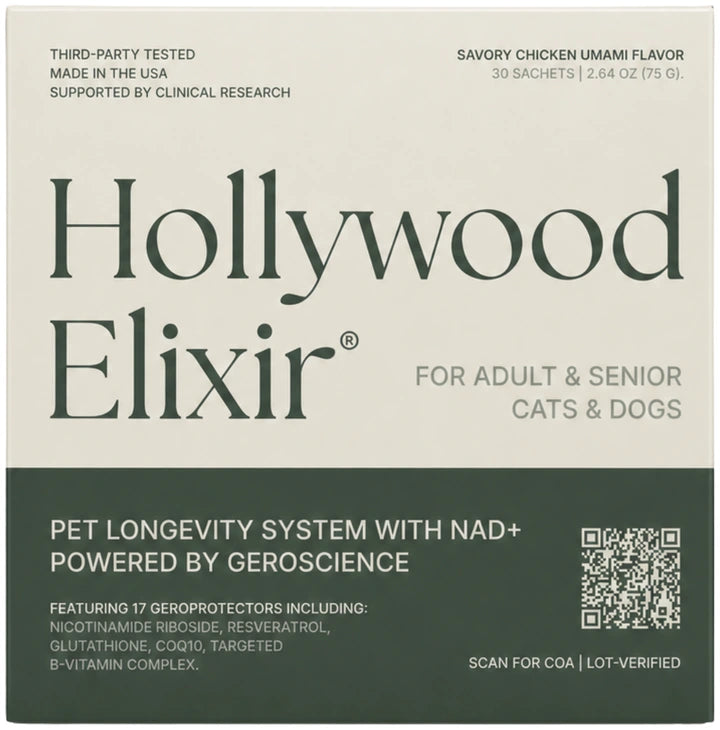
One serving a day, built for aging dogs
Hollywood Elixir is our daily supplement for adult and senior dogs, made to the LPL-01 standard with every active ingredient at a visible amount. It never replaces your veterinarian — it sits alongside the routine on this page.
Starting at $50/month · cancel anytime
Shop Hollywood ElixirWhen to Call the Vet
Split urgent signs from trends that deserve a scheduled veterinary conversation.
Go urgently
- Suspected fracture, sudden inability to walk, collapse, labored breathing, pale or blue-gray gums, seizure clusters, or rapid decline.
- Painful eye, severe weakness, uncontrolled bleeding, repeated vomiting with weakness, or toxin exposure.
- Acute coughing distress, blue-gray gums, or fainting-like episode that does not quickly resolve.
Schedule promptly
- Bad breath, tartar, red gums, dropped food, face sensitivity, or chewing change.
- Skipping, rear-leg lifting, stair hesitation, furniture avoidance, or slipping.
- Cloudy eyes, squinting, redness, tearing, bumping, or dim-light caution.
- Cough, reduced stamina, fainting-like weakness, weight change, or restless nights.
- Appetite change, thirst change, bathroom accidents, new lumps, or lower social interest.
The 90-Day Support Routine
Ninety days of small, repeatable habits make subtle changes visible — and give any new routine a fair test.
- Week one: photograph teeth, eyes, body shape, and favorite jump zones; film normal gait and any skipping.
- Week one: decide which furniture needs stairs, ramps, traction, or blocked access before an injury forces the change.
- Weekly: check breath, gums, knees, nails, eyes, rib feel, and whether the dog hesitates before a familiar jump.
- Monthly: repeat weight, gait clip, mouth photo, eye note, cough note, appetite, thirst, and sleep pattern.
- Day 90: review dental timing, patella signs, eye monitoring, body condition, and home safety with your veterinarian.
Tools for Tracking Comfort and Aging
Use these when a life-stage, body-condition, or quality-of-life question needs more structure.
Dog Quality of Life Scale
Use when mouth pain and tiny-dog bravery make comfort hard to read.
ToolDog Biological Age Calculator
Frame senior timing for a dog that may have a long late-life chapter.
ToolDog Body Condition Calculator
Small weight changes can matter to knees and anesthesia margin.
Frequently Asked Questions
Short answers to the questions owners ask most.
What is the average Papillon life expectancy?
A practical planning range is 14-16 years. Individual dogs move around that band because of genetics, body condition, accidents, veterinary care, and the breed-specific risks on this page.
Is 11-12 old for a Papillon?
11-12 years is a sensible senior-planning window, not a reason to assume every change is normal aging.
Which Papillon health issues deserve early tracking?
Dental disease, patellar luxation, eye signs, weight, heart clues, home safety, and long-life planning.
What early aging signs matter most for Papillons?
A tooth, knee, eye, rib, cough, and jump-safety check every month.
Which signs should Papillon owners treat urgently?
Broken-leg suspicion, painful eye, cough with weakness, dental pain, repeated skipping, or sudden collapse.
How often should a senior Papillon see the vet?
Twice yearly is a useful default once senior planning begins, with timing adjusted for pain, dental disease, bloodwork, eyes, heart, urinary signs, or other history.
Does weight matter for Papillon lifespan?
Yes. Lean body condition improves comfort, movement, heat margin, anesthesia margin, and the ability to notice real medical change.
What should I bring to a Papillon senior visit?
Bring dated notes, short videos, photos of visible changes, diet and treat details, medications, supplements, and a timeline of what changed first.
Can home tracking replace veterinary care for a Papillon?
No. Home tracking makes visits more useful, but pain, breathing problems, urinary trouble, eye signs, dental disease, collapse, and rapid decline need veterinary care.
How should I judge quality of life in an older Papillon?
Look at breathing, sleep, pain, movement, appetite, toileting, anxiety, and interest in familiar routines together rather than using one signal alone.
What does the 90-day routine track for a Papillon?
It sets the week-one baseline, repeats the same checks, and brings day-90 patterns back to the veterinarian for practical adjustment.
Which home notes help most for a Papillon?
Dated photos, short videos, meal details, medication lists, and a simple timeline are usually more useful than a long memory-based description.
Is Hollywood Elixir something my Papillon needs?
No supplement is a need, and Hollywood Elixir is not a treatment for anything on this page. It is La Petite Labs' daily supplement for adult and senior dogs.
Can Papillons live past 16?
Some do. A long life still needs dental care, knee monitoring, eye checks, safe furniture access, and lean weight.
Is bad breath normal in an older Papillon?
No. Bad breath is a dental warning sign and should be discussed before appetite or behavior changes.
Why does my Papillon hop on one back leg?
Brief hopping can happen with patellar luxation or pain. Video the pattern and ask your veterinarian.
A note from La Petite Labs
Hollywood Elixir is La Petite Labs' daily supplement for adult and senior dogs. It is not a treatment for anything on this page, and it never replaces your veterinarian.

Why Pampered matches Papillon watchpoints
Pampered is La Petite Labs' complete daily system, with a recommended 90-day starting window. The Papillon routine here is specific: photographing teeth, eyes, body shape, and favorite jump zones; film normal gait and any skipping and return to dental, knees, eyes, and weight, so Pampered belongs beside those notes instead of replacing them.
Explore the Pampered™ System →