Astaxanthin for Dogs

See How Astaxanthin Targets Oxidative Damage and When Supplementation Makes Sense

Essential Summary

Why is astaxanthin for dogs important?

Astaxanthin is a marine-derived antioxidant often used to support healthy aging in dogs. It’s best viewed as steady, long-horizon support for oxidative balance, immune resilience, and skin and coat quality, not a quick fix. Because dogs vary widely, supplement choices and dosing should be made with your veterinarian, especially for seniors or dogs on medications.

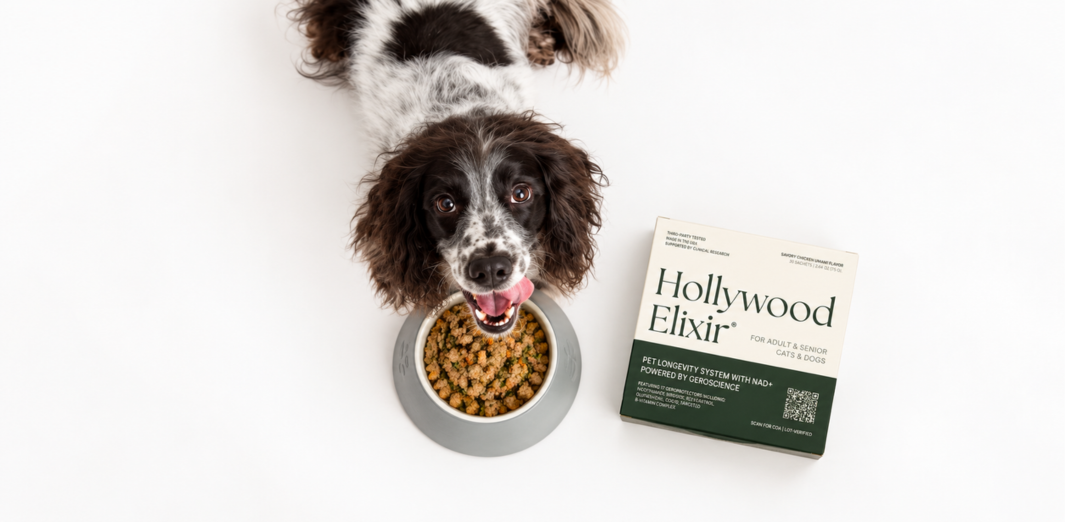
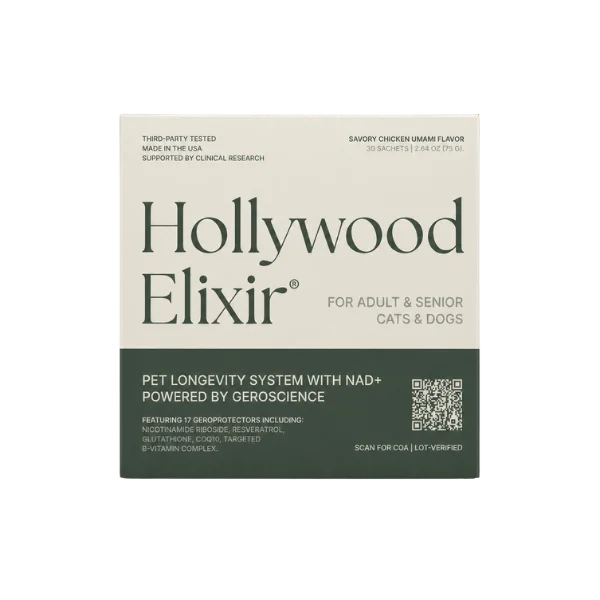
If you like the idea of antioxidant support but don’t want to chase single-ingredient trends, Hollywood Elixir™ is designed as system-level support for graceful aging—helping reinforce the broader network that influences energy, recovery, and day-to-day vitality.

Most people don’t start searching for astaxanthin for dogs because they want a new “hack.” They start because something has shifted: a little less spring on the stairs, a coat that looks tired, recovery that takes longer than it used to. In that moment, the question isn’t whether a single ingredient can change everything. It’s whether there’s a safe, reasonable way to support a dog’s long-term resilience without turning daily care into a chemistry project.

Astaxanthin is compelling because it’s straightforward: a well-studied antioxidant associated with reducing oxidative stress and supporting normal immune function in dogs. It’s also practical: it can be sourced from algae, and it can be incorporated into routines that already include good food, movement, and veterinary care.

Still, a careful owner quickly runs into a tension. If you can buy an astaxanthin supplement for dogs, why choose a broader formula instead of a single ingredient? The honest answer is that aging is rarely a single-nutrient story. Oxidative stress, recovery, appetite, sleep, and day-to-day comfort are intertwined. A system-level product can be a way to support that network—without asking you to assemble and manage a complicated supplement stack. That’s the role Hollywood Elixir™ is designed to play: not as a replacement for one nutrient, but as a cohesive approach to graceful aging.

By La Petite Labs Editorial, ~15 min read

Featured Product:

  • Astaxanthin for dogs is best understood as quiet antioxidant support, not a dramatic intervention.
  • Because it’s absorbed and distributed in the body, product quality and consistency matter as much as the ingredient.
  • Owners most often seek it for long-term vitality, immune steadiness, and visible skin-and-coat polish.
  • Diet context matters: fat balance and overall food quality can shape how antioxidant support performs.
  • Safety is generally reassuring when used appropriately, but individual dogs still need individualized decisions.
  • Avoid internet dosing math; treat astaxanthin dosage for dogs as a vet-guided plan, especially with medications.
  • A system-level formula can make sense when you want broader aging support beyond a single nutrient.

Astaxanthin and the Quiet Work of Supporting Dogs over Time

Astaxanthin for dogs sits in a small, interesting category: it’s not a trendy “detox,” and it’s not a miracle ingredient. It’s a pigment found in certain algae and marine foods, valued because it helps neutralize oxidative stress—one of the quiet pressures that accumulates with age, activity, and everyday inflammation. In dogs, oxidative stress is tied to how cells handle wear-and-tear, which is why owners often look at astaxanthin when they’re thinking about long-term comfort, resilience, and vitality (Burron S, 2024).

A useful way to frame astaxanthin supplements for dogs is as “support,” not “replacement.” A good diet matters, but antioxidant needs can shift with lifestyle, stress, and the broader fat balance of the diet—especially the relationship between omega-6 and omega-3 fats, which influences how antioxidant support performs in the body (Burron S, 2024).

Energy production graphic tied to antioxidant protection supported by astaxanthin supplements for dogs.

What Astaxanthin Is, Where It Comes from, and Why It Matters

Astaxanthin is a carotenoid—the same family of compounds that gives certain plants and marine organisms their vivid color (related: Spirulina for Dogs). In dogs, its relevance comes from antioxidant activity: it can help reduce oxidative stress, which is one of the background forces associated with aging and recovery (Tanprasertsuk J, 2022).

You’ll see it described as coming from algae, and that’s often the preferred source for a consistent, supplement-grade ingredient. Because it’s fat-soluble, it’s typically paired with oils or delivered in a format designed to improve absorption. The best products make this clear on the label without overselling outcomes.

DNA close-up symbolizing resilience at the cellular level via astaxanthin dosage for dogs.

Oxidative Stress in Dogs: a Background Pressure Worth Noticing

Oxidative stress is not a diagnosis; it’s a condition of imbalance. It happens when reactive compounds outpace the body’s ability to neutralize them. In dogs, oxidative stress can rise with intense exercise, environmental exposures, chronic inflammation, and the simple passage of time.

This is why antioxidants are discussed in “maintenance” language. The goal isn’t to shut down normal biology; it’s to support the body’s own capacity to stay in balance. For many owners, that translates into a preference for steady, low-drama support rather than aggressive interventions.

Protein ribbon image emphasizing scientific formulation standards in astaxanthin supplement for dogs.

Absorption and Delivery: Why Form Matters as Much as Ingredient

One of the more practical points in the research is that astaxanthin is absorbed in dogs and can reach significant concentrations in tissues. That matters because it moves the conversation from “nice idea” to “biologically plausible.” If a compound can’t be absorbed, it can’t do much.

Absorption also depends on context. Because astaxanthin is fat-soluble, giving it with food can be sensible. If your dog has a sensitive stomach, the format (soft chew, capsule, oil-based delivery) may matter as much as the ingredient itself.

Expressive pug face reflecting gentle aging support associated with astaxanthin for dogs benefits.

Benefits Owners Look for, and the Claims to Avoid

The most commonly discussed astaxanthin for dogs benefits fall into three buckets: oxidative balance, immune support, and outward signs like skin and coat. Evidence suggests astaxanthin may enhance immune function and reduce oxidative stress in dogs, which aligns with why it’s used as a general wellness ingredient (see: Immunomodulation for Dogs).

It’s worth keeping expectations measured. Supplements can support normal function, but they don’t replace veterinary care, and they don’t override poor diet or unmanaged disease. The best outcomes usually come from consistency: a stable routine, a stable diet, and a supplement that your dog tolerates well.

Hollywood Elixir™ is amazing and makes my 13 y/o young again!

— Jessie

We go on runs. Lately he's been keeping up with no problem!

— Cami

“The best supplement decisions feel boring in the moment—and reassuring months later.”

Diet Context: Fat Balance and the Antioxidant Conversation

Diet composition can change how antioxidant support “lands.” In particular, the balance of omega-6 and omega-3 fatty acids can influence the effectiveness of antioxidants like astaxanthin. If a dog’s diet is heavy in omega-6 fats and light on omega-3s, the body may be managing a different inflammatory tone than intended.

This doesn’t mean you need to perfect your dog’s diet before considering supplements. It means the best astaxanthin supplements for dogs tend to work best when the rest of the plan is reasonable: quality protein, appropriate calories, and a fat profile that isn’t pushing the body toward constant “irritation mode.”

Dog portrait tied to trust and long-term care supported by astaxanthin for dogs benefits.

Quality Signals in Astaxanthin Supplements for Dogs

Choosing an astaxanthin supplement for dogs is less about hype and more about signals of care. Look for clear labeling, conservative claims, and manufacturing practices that suggest consistency. If a brand promises dramatic transformations, it’s usually compensating for weak transparency.

Also consider the “stack.” If your dog already takes fish oil, joint support, or a multivitamin, you may be doubling up on ingredients that affect digestion or appetite. A vet can help you decide whether to simplify, rotate, or choose a formula that supports multiple systems without unnecessary overlap.

Close-up profile of a dog symbolizing awareness and vitality via astaxanthin for dogs benefits.

Side Effects, Interactions, and Common-sense Guardrails

Side effects with antioxidants are usually not dramatic, but they can happen. The most common issues owners report with new supplements are digestive: softer stool, gas, or a dog who suddenly seems picky. If you notice changes, pause and reassess rather than pushing through.

Interactions are the more important concern. Dogs on long-term medications, dogs with liver or kidney disease, and dogs with complex medical histories should only add new products with veterinary oversight. Even when an ingredient is generally well tolerated, the individual context is what determines safety.

Product overview visual highlighting formulation integrity aligned with astaxanthin supplements for dogs.

Life Stage and Size: Different Dogs, Different Priorities

Life stage changes the conversation. For young, healthy dogs, the priority is usually diet quality and avoiding unnecessary supplementation. For middle-aged and senior dogs, owners often look for support that feels subtle but meaningful—helping the dog stay comfortable, engaged, and resilient as the years add up (Chew BP, 2011).

Breed and size matter, too. Small dogs can be more sensitive to dose changes, while large dogs may have different mobility and recovery demands. This is another reason to treat astaxanthin dosage for dogs as a plan, not a number pulled from the internet.

How to Compare Products Without Getting Lost in Label Noise

If you’re comparing the best astaxanthin for dogs, it helps to separate “ingredient quality” from “whole-formula value.” Ingredient quality is about source (often algae), stability, and transparent labeling. Whole-formula value is about whether the product supports the broader system that aging dogs rely on: energy production, cellular repair, and the body’s ability to handle daily oxidative load.

This is where many owners get stuck: they can find an astaxanthin supplement for dogs, but they still want something that feels coherent—supporting more than one narrow target. A system-level formula can make sense when your goal is not a single “before/after,” but steadier comfort, steadier energy, and a dog who seems more like themselves over time.

“Support is a long-horizon word: it’s about steadiness, not spectacle.”

Scientific attire image highlighting formulation rigor associated with best astaxanthin for dogs.

Dosing Decisions That Belong in a Vet Conversation

Astaxanthin dosage for dogs should be treated as a veterinarian-led decision, not a DIY calculation. Dogs vary widely in size, health status, and what else they’re already eating. The research base supports that astaxanthin is absorbed in dogs and can reach meaningful tissue levels, which is one reason dosing deserves care rather than guesswork (Park JS, 2010).

If you’re adding any new supplement, start by bringing your vet the exact label, the full ingredient list, and your dog’s current medications. That conversation is especially important for seniors, dogs with chronic conditions, or dogs on long-term prescriptions. The goal is a plan that’s safe, consistent, and easy to maintain.

Shop Now
Curated ingredient scene highlighting bioactive blend supporting astaxanthin for dogs.

Safety, Tolerance, and When to Pause or Stop

Safety questions are reasonable, because antioxidants can be misunderstood as “always better.” In dog studies evaluating supplementation, astaxanthin has been assessed for safety at recommended amounts, with no adverse effects reported in that context (Park JS, 2010). That doesn’t mean every product is interchangeable, or that more is better—it means the ingredient itself has a reassuring safety profile when used appropriately.

The practical safety checklist is simple: choose a reputable brand, avoid stacking multiple products with overlapping ingredients, and monitor for any digestive upset or appetite changes when introducing something new. If anything feels “off,” stop and call your veterinarian.

Shop Now
Lifestyle image showing supplement use in real homes supported by astaxanthin supplement for dogs.

Immune Resilience: What Support Can Reasonably Mean

Owners often ask about astaxanthin for dogs benefits in the context of immune resilience. The evidence base in dogs suggests dietary astaxanthin can enhance aspects of immune response, consistent with its role in helping the body manage oxidative stress (Chew BP, 2011). This is best understood as support for normal function—helping the body stay steady—rather than a promise of protection from illness.

Immune support is also where “system thinking” matters. Sleep, stress, dental health, gut tolerance, and fatty acid balance can all influence how a dog’s immune system behaves day to day. A supplement can be a piece of that picture, but it shouldn’t be the whole picture.

Shop Now

Skin and Coat: the Visible Side of Oxidative Balance

Skin and coat are among the most visible reasons people explore astaxanthin supplements for dogs. Research notes that astaxanthin may support skin and coat health, likely because oxidative stress can show up at the surface as dryness, dullness, or a coat that seems slower to “bounce back”(Tanprasertsuk J, 2022).

Still, coat changes can also reflect diet quality, grooming habits, parasites, allergies, thyroid issues, or seasonal shedding. If skin symptoms are persistent—itching, redness, odor, hair loss—treat it as a medical question first. Supplements are best used once the basics are addressed and the plan is clear.

Natural Sourcing, Transparency, and What “Clean” Should Signal

When people search for natural astaxanthin for dogs, they’re usually asking two things: “Is it derived from a real source?” and “Is it gentle?” Astaxanthin can be sourced from algae, which makes it a plant-based nutrient option in canine diets (Tanprasertsuk J, 2022). In practice, “natural” should also mean traceable sourcing and careful manufacturing, not just a label claim.

Look for clear identification of the source, a straightforward ingredient panel, and dosing instructions that encourage veterinary guidance. If a brand is vague about where it comes from or how it’s standardized, that’s a reason to keep looking.

Side-by-side supplement comparison designed around astaxanthin supplement for dogs expectations.

Serious Conditions: Keeping Research Interesting, Not Misleading

Astaxanthin is sometimes discussed in the same breath as serious disease topics, including cancer. Laboratory work has reported protective effects of all-trans-astaxanthin against canine osteosarcoma cell lines, which is scientifically interesting but not the same as proving benefit in living dogs (Wakshlag JJ, 2010). It’s a reminder to keep claims in proportion: early research can be promising without being clinically actionable.

If your dog has a cancer diagnosis or is undergoing treatment, do not add supplements casually. Some compounds can interfere with treatment plans or complicate monitoring. The right approach is coordination: your primary vet and oncologist should know exactly what you’re considering and why.

Shop Now
Packaging reveal image highlighting brand care aligned with astaxanthin supplements for dogs.

What to Expect over Weeks, Not Days

A realistic timeline helps you judge any supplement fairly. With astaxanthin for dogs, owners commonly look for subtle shifts: steadier energy on walks, less “stiff the next morning,” or a coat that looks a bit more polished (see: Boosting Energy in Senior Dogs). Because oxidative stress is cumulative, the most meaningful changes are often gradual rather than dramatic (Burron S, 2024).

To keep the evaluation honest, change one variable at a time. Keep notes for two to four weeks: appetite, stool quality, itching, activity tolerance, and sleep. If you’re also changing food, adding fish oil, or adjusting exercise, it becomes hard to know what’s doing what.

Shop Now

Why a System-level Formula Still Makes Sense for Careful Owners

The reason a careful, science-minded owner might still choose a broader formula—rather than only chasing the best astaxanthin supplements for dogs—is that aging is rarely a single-nutrient problem. Oxidative stress intersects with energy, recovery, and the body’s ability to maintain normal function across years (Park JS, 2010). A product that supports the wider network can feel more aligned with what owners actually want: a dog who stays comfortable and engaged in daily life.

Think of astaxanthin as one strong note in a larger composition. If you’re already doing the fundamentals—good food, movement, dental care, veterinary check-ins—then a well-designed, system-level supplement can be a practical way to reinforce what those fundamentals are trying to protect.

“Aging rarely responds to a single ingredient; it responds to a coherent plan.”

Educational content only. This material is not a substitute for veterinary advice. Always consult your veterinarian about your dog’s specific needs. These statements have not been evaluated by the Food and Drug Administration. Products mentioned are not intended to diagnose, treat, cure, or prevent any disease.

Glossary

  • Astaxanthin: A red-orange carotenoid valued for antioxidant support in dogs.
  • Carotenoid: A class of pigments found in plants and algae; some act as antioxidants.
  • Oxidative Stress: An imbalance between reactive compounds and the body’s ability to neutralize them.
  • Antioxidant: A compound that helps limit oxidative damage by neutralizing reactive molecules.
  • Fat-Soluble: Describes nutrients absorbed better with dietary fat; relevant to astaxanthin formats.
  • Algae-Derived: Sourced from microalgae; commonly used for “natural” astaxanthin ingredients.
  • Omega-6 to Omega-3 Ratio: The balance of dietary fats that can influence inflammatory tone and antioxidant needs.
  • Bioavailability: How well a nutrient is absorbed and used by the body after ingestion.
  • Supplement Stack: The total set of supplements a dog takes; stacking increases overlap and tolerance risks.
  • System-Level Support: A formula approach aimed at multiple aging pressures rather than a single nutrient target.

Related Reading

References

Burron S. The balance of n-6 and n-3 fatty acids in canine, feline, and equine nutrition: exploring sources and the significance of alpha-linolenic acid.. PubMed Central. 2024. https://pmc.ncbi.nlm.nih.gov/articles/PMC11161904/

Mansilla WD. Adult dogs of different breed sizes have similar threonine requirements as determined by the indicator amino acid oxidation technique.. PubMed Central. 2020. https://pmc.ncbi.nlm.nih.gov/articles/PMC7085255/

Tanprasertsuk J. Roles of plant-based ingredients and phytonutrients in canine nutrition and health.. PubMed Central. 2022. https://pmc.ncbi.nlm.nih.gov/articles/PMC9291198/

Park JS. Astaxanthin uptake in domestic dogs and cats.. PubMed Central. 2010. https://pmc.ncbi.nlm.nih.gov/articles/PMC2898833/

Chew BP. Dietary astaxanthin enhances immune response in dogs.. PubMed. 2011. https://pubmed.ncbi.nlm.nih.gov/21208664/

Wakshlag JJ. Evaluation of the protective effects of all-trans-astaxanthin on canine osteosarcoma cell lines.. PubMed. 2010. https://pubmed.ncbi.nlm.nih.gov/20043787/

Bautista AC. Hepatopathy following consumption of a commercially available blue-green algae dietary supplement in a dog.. PubMed. 2015. https://pubmed.ncbi.nlm.nih.gov/26087767/

Vega K. Subchronic (13-week) toxicity and prenatal developmental toxicity studies of dietary astaxanthin in rats.. PubMed. 2015. https://pubmed.ncbi.nlm.nih.gov/26493001/

Buesen R. Safety assessment of [3S, 3'S]-astaxanthin--Subchronic toxicity study in rats.. PubMed. 2015. https://pubmed.ncbi.nlm.nih.gov/25910834/

Goda AA. Astaxanthin and Docosahexaenoic Acid Reverse the Toxicity of the Maxi-K (BK) Channel Antagonist Mycotoxin Penitrem A.. PubMed. 2016. https://pubmed.ncbi.nlm.nih.gov/27834847/

Destefanis S. Clinical evaluation of a nutraceutical diet as an adjuvant to pharmacological treatment in dogs affected by Keratoconjunctivitis sicca.. PubMed Central. 2016. https://pmc.ncbi.nlm.nih.gov/articles/PMC5034585/

Park JS. Astaxanthin modulates age-associated mitochondrial dysfunction in healthy dogs.. PubMed. 2013. https://pubmed.ncbi.nlm.nih.gov/23100599/

Giercuszkiewicz-Hecold. The effect of long term astaxanthin supplementation on the antioxidant status of racing Arabian horses – preliminary study. Nature. 2024. https://www.nature.com/articles/s41598-024-77732-9

Bilgiç B. Investigation of Trace and Macro Element Contents in Commercial Cat Foods.. PubMed Central. 2025. https://pmc.ncbi.nlm.nih.gov/articles/PMC11633335/

FAQ

What is astaxanthin, and why is it used for dogs?

Astaxanthin is a naturally occurring pigment found in certain algae and marine foods. It’s used in dog supplements because it functions as an antioxidant, helping the body manage oxidative stress that can build with age, activity, and everyday inflammation.

Many owners choose it as part of a broader “healthy aging” routine rather than for a single, narrow outcome. For system-level support that fits this philosophy, consider Hollywood Elixir™.

Do astaxanthin for dogs benefits include immune system support?

In canine research, dietary astaxanthin has been associated with enhanced immune response, consistent with its role in supporting oxidative balance(Chew BP, 2011). It’s best framed as support for normal immune function, not as protection from illness.

If immune steadiness is part of your dog’s aging plan, it can be helpful to choose a formula that supports the broader network behind resilience. That’s the intent behind Hollywood Elixir™.

How does astaxanthin for dogs relate to oxidative stress?

Oxidative stress is a normal part of life, but it can rise with age, inflammation, and high activity. Astaxanthin is valued because it’s a potent antioxidant that can help reduce oxidative stress in dogs, supporting the body’s ability to stay in balance.

Owners who think in “long horizon” terms often pair antioxidant support with broader aging support rather than relying on one ingredient alone, which is why Hollywood Elixir™ can fit well.

Is astaxanthin supplementation considered safe for most dogs?

Safety has been evaluated in dogs, with no adverse effects reported at recommended supplemental amounts in that research context. Still, “safe in general” isn’t the same as “safe for every individual dog,” especially if your dog has chronic disease or takes daily medications.

Bring your vet the exact label before starting, and choose products that avoid exaggerated claims. For a system-level approach to aging support, many owners look to Hollywood Elixir™.

What side effects might occur with astaxanthin supplements for dogs?

Most issues owners notice with new supplements are digestive: softer stool, gas, or reduced enthusiasm for food. Because dogs differ in tolerance, introduce any new product slowly and watch appetite, stool, and energy for the first week or two.

If symptoms persist, stop and check in with your veterinarian rather than layering more products. For a broader, aging-focused formula that’s designed to be used consistently, consider Hollywood Elixir™.

Can astaxanthin interact with my dog’s medications or conditions?

Potential interactions depend on the full context: your dog’s diagnosis, prescriptions, and other supplements. While astaxanthin has a reassuring safety profile in studied settings, it should still be vet-reviewed for dogs on long-term medications or with liver, kidney, or endocrine disease.

The simplest safeguard is to share a complete list of everything your dog takes, including treats with “active” ingredients. If you want a system-level aging formula to discuss with your vet, look at Hollywood Elixir™.

What is the right astaxanthin dosage for dogs?

There isn’t one universal dose that fits every dog, and it’s not wise to use internet charts. Size, diet, health status, and concurrent supplements all change the decision. Because astaxanthin is absorbed and distributed in dogs, dosing should be deliberate rather than casual.

Ask your veterinarian to recommend a product and a plan that matches your dog’s goals and medical history. If you prefer a broader aging-support option to review together, consider Hollywood Elixir™.

Is astaxanthin for dogs appropriate for puppies or young adults?

For most puppies and young adult dogs, the foundation is complete-and-balanced nutrition, appropriate exercise, and routine veterinary care. Supplements are usually considered when there’s a specific reason—diet limitations, high activity demands, or a vet-identified need.

If you’re thinking about early “longevity habits,” focus on consistency and simplicity rather than stacking many ingredients. For a measured, system-level approach you can discuss with your vet, consider Hollywood Elixir™.

Does astaxanthin for dogs help with skin and coat quality?

Research in dogs suggests astaxanthin may support skin and coat health, which makes sense because oxidative stress can affect tissues with high turnover, including the skin. Owners often look for a coat that appears glossier and skin that seems less reactive over time.

If itching, redness, or odor are persistent, treat it as a veterinary issue first; supplements are best as supportive care. For broader aging and skin-support context, consider Hollywood Elixir™.

How long does it take to notice results from astaxanthin?

With antioxidant-focused supplements, changes are often gradual. Owners may notice subtle shifts first—steady energy, easier recovery after activity, or a coat that looks a bit more polished. Because oxidative stress is cumulative, the most meaningful effects tend to show up over weeks, not days.

Track a few simple markers (stool, appetite, activity tolerance) so you’re not relying on memory. For consistent, system-level aging support, consider Hollywood Elixir™ as part of a steady routine.

What should I look for in best astaxanthin supplements for dogs?

Prioritize transparency: clear sourcing, a straightforward ingredient list, and dosing instructions that encourage veterinary input. Because astaxanthin can be sourced from algae, reputable brands typically disclose the source rather than hiding behind vague “proprietary” language.

Also consider whether you want a single-ingredient product or a broader formula that supports aging systems beyond one nutrient. Many owners who want that wider approach choose Hollywood Elixir™.

Is natural astaxanthin for dogs different from synthetic versions?

“Natural” usually refers to sourcing, often from algae, rather than a different goal. Algae-derived astaxanthin is a common supplement source and is frequently preferred for traceability and consistency. What matters most is that the product is well made, clearly labeled, and appropriate for your dog.

If you’re choosing between labels, ask your vet which option best fits your dog’s diet and tolerance. For a system-level aging formula that aligns with this approach, consider Hollywood Elixir™.

Can I give astaxanthin with fish oil or omega-3s?

Often, yes—but it should be intentional. The balance of omega-6 and omega-3 fats can influence how antioxidant support performs, so pairing strategies should be discussed with your veterinarian rather than improvised. The bigger risk is stacking multiple products and accidentally overdoing calories or overlapping additives.

Bring your vet the full list of supplements and doses so they can simplify the plan if needed. For a broader aging-support option to review together, consider Hollywood Elixir™.

Should senior dogs take astaxanthin supplements for dogs daily?

For seniors, consistency usually matters more than intensity. If your veterinarian recommends astaxanthin, daily use can be a practical way to maintain steady support, especially because the goal is often gradual resilience rather than a quick change.

The best routine is the one your dog tolerates and you can sustain—same time, with food, and with simple tracking. For a system-level daily aging formula, consider Hollywood Elixir™.

Is astaxanthin for dogs the same as for humans?

The ingredient can be the same, but the product should not be assumed interchangeable. Dogs have different dosing needs, different tolerances for flavors and excipients, and different risks when other supplements are stacked. A dog-specific product also makes it easier for your veterinarian to evaluate the label.

If you’re considering using a human product, pause and ask your vet first. For a dog-focused, aging-oriented option to discuss, consider Hollywood Elixir™.

Can cats take dog astaxanthin products safely?

Cats and dogs process nutrients differently, and cat safety depends on the entire formula, not just astaxanthin. Even if the core ingredient seems benign, flavors, sweeteners, or added botanicals can be inappropriate for cats. Treat this as a veterinary question, not a convenience decision.

If you have both species at home, ask your vet for species-specific recommendations. For dog-focused aging support you can keep clearly separated, consider Hollywood Elixir™.

Does astaxanthin support active dogs after exercise and play?

Hard play and training can increase oxidative load, which is one reason active-dog owners consider antioxidants. Astaxanthin’s role is to support oxidative balance, which may matter for recovery and day-to-day resilience over time.

The most useful approach is to pair supplementation with fundamentals: conditioning, rest days, and appropriate calories. For a broader aging-and-recovery oriented option, consider Hollywood Elixir™.

What does research say about astaxanthin supplement for dogs?

Dog studies support that astaxanthin is absorbed and has been evaluated for safety at recommended amounts, with findings consistent with antioxidant and immune-support roles. There’s also early laboratory research exploring additional areas, but that should not be treated as proof of clinical benefit in pets(Wakshlag JJ, 2010).

A sensible takeaway is to use it as supportive care within a bigger plan, not as a standalone solution. For a system-level aging formula aligned with that mindset, consider Hollywood Elixir™.

When should I call my vet before starting astaxanthin?

Call your vet first if your dog is on prescription medications, has a chronic diagnosis, is pregnant or nursing, or has a history of supplement sensitivity. It’s also wise to check in if you’re already using multiple products, since overlap can create avoidable digestive or dosing issues.

Bring the full label and your goals (coat, aging, activity recovery) so the plan is specific. If you want a system-level option to discuss, consider Hollywood Elixir™.

How do I choose the best astaxanthin for dogs?

Start with your goal: coat and skin, immune steadiness, or general aging support. Then choose a product with transparent sourcing and conservative claims. Because diet fat balance can influence antioxidant effectiveness, it’s also smart to consider what your dog eats daily, not just what you add.

Finally, decide whether you want a single ingredient or a broader formula that supports multiple aging pressures at once. Many owners who prefer the broader approach choose Hollywood Elixir™.

5K+ Happy Pet Parents

Excellent 4.8

Astaxanthin for Dogs | Why Thousands of Pup Parents Trust Hollywood Elixir™

"He seems more happy overall. I've also noticed he has more energy which makes our walks and playtime so much more fun."

Olga & Jordan

"He's got way more energy now! We go on runs pretty often; he use to get tired halfway through, but lately, he's been keeping up without any problem."

Cami & Clifford

"I want her to live forever. She hasn't had an ear infection since!"

Madison & Azula

"It helps with her calmness, her immune system. I really like the clean ingredients. Highly recommend La Petite Labs!"

Maple & Cassidy

"He seems more happy overall. I've also noticed he has more energy which makes our walks and playtime so much more fun."

Olga & Jordan

"He's got way more energy now! We go on runs pretty often; he use to get tired halfway through, but lately, he's been keeping up without any problem."

Cami & Clifford

"I want her to live forever. She hasn't had an ear infection since!"

Madison & Azula

"It helps with her calmness, her immune system. I really like the clean ingredients. Highly recommend La Petite Labs!"

Maple & Cassidy

"He seems more happy overall. I've also noticed he has more energy which makes our walks and playtime so much more fun."

Olga & Jordan

"He's got way more energy now! We go on runs pretty often; he use to get tired halfway through, but lately, he's been keeping up without any problem."

Cami & Clifford

"I want her to live forever. She hasn't had an ear infection since!"

Madison & Azula

"It helps with her calmness, her immune system. I really like the clean ingredients. Highly recommend La Petite Labs!"

Maple & Cassidy

"He seems more happy overall. I've also noticed he has more energy which makes our walks and playtime so much more fun."

Olga & Jordan

"He's got way more energy now! We go on runs pretty often; he use to get tired halfway through, but lately, he's been keeping up without any problem."

Cami & Clifford

"I want her to live forever. She hasn't had an ear infection since!"

Madison & Azula

"It helps with her calmness, her immune system. I really like the clean ingredients. Highly recommend La Petite Labs!"

Maple & Cassidy

SHOP NOW