



Singapura lifespan and senior care
How Long Do Singapura Cats Live?
9–15Years, typical
Singapura lifespan planning tracks a tiny, active cat through weight, dental comfort, large-eye changes, indoor enrichment, kidney records, mobility, and senior care.
- Start watching at
- From 7 years
- Senior age
- 10+ years
- Typical lifespan
- 9-15 years
Use 9 to 15 years as the PetMD breed-profile planning range. The 2024 UK cat life-table gives general feline context, not a Singapura-only statistic.
Quick Answers for Pet Parents
Direct answers to the questions people ask when they are trying to plan care.
How long do Singapura Cats live?
Singapura Cats are best planned around 9-15 years. PetMD gives 9 to 15 years for Singapura cats and notes no known breed genetic conditions, while population evidence remains thin.
What is the average Singapura life expectancy?
Singapura life expectancy should be treated as a planning range, not a guarantee. Track a small active cat through body condition, dental comfort, eye changes, indoor enrichment, kidney and urinary signs, mobility, and social routine.
When is a Singapura considered senior?
Cats older than 10 are senior under AAHA/AAFP guidance; begin Singapura baselines around 7 because a tiny energetic cat can hide weight, mouth, eye, or jump changes behind kitten-like behavior. A Singapura may still seem lively while weight, mouth, litter, grooming, or movement is already changing.
What Singapura health problems should owners watch?
Obesity, dental disease, eye discharge or cloudiness, kidney and urinary signs, arthritis, appetite change, weight loss, and indoor boredom matter most.
What most affects Singapura healthspan?
Measured meals, vertical enrichment, dental care, eye checks, weight records, senior labs, urinalysis, blood pressure, and pain recognition matter most.
Lifespan at a Glance
The short answer with the context a careful pet parent needs.
| Typical lifespan | Use 9 to 15 years as a practical Singapura planning range while tracking small-cat body condition, teeth, eyes, kidneys, mobility, appetite, and activity. |
|---|---|
| Evidence caveat | PetMD lists a 9 to 15 year average lifespan and no known genetic conditions, but large Singapura-only life-table evidence is limited. |
| Singapura senior timing | Cats older than 10 are senior under AAHA/AAFP guidance; begin Singapura baselines around 7 because a tiny energetic cat can hide weight, mouth, eye, or jump changes behind kitten-like behavior. |
| Earlier watchpoint | Track scale weight, rib feel, appetite, dental breath, eye discharge, cloudiness, jumping, climbing, play recovery, thirst, urine clumps, stool, and social routine. |
| Breed-specific priority | Singapura planning should not treat small size as low care; tiny body weight makes both obesity and weight loss show up quickly. |
| Do not normalize | Do not normalize weight drift, bad breath, eye cloudiness, discharge, lower jumps, thirst, larger urine clumps, hiding, grooming decline, or hard breathing. |

You can’t slow the clock. You can change what happens while it runs.
9-15 years is the range. What fills those years — lean condition, easy movement, steady digestion, good sleep — is built one ordinary day at a time.
Start the daily system → Starting at $50/month
If your Singapura still looks kitten-small but now gains a few ounces, loses thigh muscle, drops food, squints, lands lower, drinks more, leaves larger urine clumps, or stops climbing into the middle of family life, the lifespan question needs small-cat measurement.
The direct answer: Singapura cats are best planned around 9 to 15 years. PetMD gives that average lifespan range and describes the breed as relatively healthy. The honest caveat is that Singapura-only population evidence is still limited.
Small size can fool people into casual care. A few ounces can matter, dental pain can hide behind a lively face, and indoor enrichment must be real because a tiny cat still needs height, play, and routine.
If You Only Have Five Minutes
- Use 9 to 15 years as the Singapura lifespan planning range, then individualize around weight, teeth, eyes, kidneys, mobility, and activity.
- Small cat weight needs a scale; visual guessing misses both obesity and weight loss.
- Dental disease is common in cats, so bad breath, drooling, dropped food, or slower meals deserves attention.
- Large eyes do not need special routine care, but discharge, redness, cloudiness, squinting, or night hesitation should be checked.
- Senior care begins at 10+, but baselines around 7 help catch tiny changes before they become dramatic.
- Breathing distress, collapse, severe weakness, repeated vomiting with weakness, sudden blindness, or urinary straining with little output is urgent.
The cat lifespan methodology explains why a breed-profile range stays cautious. Use the cat age calculator for life stage, then build a Singapura-specific record around ounces, teeth, eyes, and jumps.
Why Lifespan Numbers for Singapura Cats Don't Agree
Singapura lifespan estimates come mainly from breed profiles. PetMD lists 9 to 15 years and no known genetic conditions, but that does not equal a large Singapura-only life table.
The 2024 UK cat life-table is useful background for age, body condition, and senior planning. It does not say how long one tiny active cat will live.
Small size changes the monitoring scale. A weight change that looks minor in a larger cat can be meaningful in a four-to-eight-pound cat, especially when appetite or dental signs shift at the same time.
Use the range to start records early: weight by scale, mouth, eyes, litter, climbing, play recovery, and the social routines that show whether the cat still feels well.
What Shapes a Singapura's Healthspan
Singapura healthspan is shaped by small-cat body condition, dental comfort, eye observations, indoor enrichment, kidney and urinary monitoring, safe climbing, pain recognition, and senior diagnostics.
Tiny size and weight records
A Singapura can gain or lose meaningful condition quickly. Weigh with a reliable scale, feel ribs, check waist, and note thigh muscle. Meal portions, treat size, and food puzzles should be adjusted to this cat, not a generic adult cat.
Dental disease and daily contact
Bad breath, drooling, dropped food, one-sided chewing, red gums, slower meals, or face sensitivity deserves review. A playful cat can still have mouth pain, and mouth pain can reduce grooming, appetite, and tolerance for handling.
Large eyes and visible changes
PetMD notes that Singapura eyes do not need special routine care, but watery discharge, brown discharge, redness, cloudiness, squinting, or changed night confidence should be checked. Eye changes can affect jumping choices and confidence.
Indoor energy and vertical space
A small apartment can still be too boring. Singapuras need climbing, play, and social time. Lower play drive, destructive boredom, hiding, or overeating can reflect pain, stress, or insufficient enrichment.
Kidney and urinary basics
Thirst, larger urine clumps, accidents, constipation, vomiting, appetite change, or weight loss should be dated. These are general senior-cat signs, not Singapura-specific proof, and they need diagnostics rather than guessing.
Mobility in a little climber
A cat who weighs little can still develop arthritis or injury. Lower routes, missed jumps, reluctance to climb, noisy landings, or grooming gaps around hips should prompt pain and body-condition review.
What Aging Looks Like in a Singapura
Singapura aging may look like a few ounces gained or lost, stronger breath, slower meals, eye discharge, cloudiness, lower jumps, less climbing, thirst, larger urine clumps, constipation, hiding, or reduced headbutting into daily activities.
Track change in units that match the cat. Ounces, small clumps, shorter routes, and tiny appetite changes can matter when the whole cat is small.
- Is weight stable by scale, ribs, waist, and thigh muscle?
- Are breath, chewing, appetite, thirst, urine clumps, stool, and vomiting steady?
- Are eyes clear without new discharge, redness, cloudiness, or night hesitation?
- Does the cat still climb, jump, and recover after play normally?
- Is grooming complete through hips, belly, and rear legs?
- Does the cat still seek social contact and activity in its usual way?
Normal aging can make a Singapura less relentless. It should not explain rapid weight change, open-mouth breathing, collapse, sudden blindness, untreated dental pain, urinary straining, repeated vomiting, or a tiny cat who suddenly stops using vertical space.
When to Call a Veterinarian
Use emergency care for open-mouth breathing, hard breathing, blue or gray gums, collapse, seizure, sudden blindness, severe weakness, inability to rise, repeated vomiting with weakness, or repeated box trips with little urine.
Book promptly for weight drift, appetite change, bad breath, dropped food, eye discharge, redness, cloudiness, lower jumps, thirst, larger urine clumps, constipation, vomiting, hiding, grooming decline, or reduced play.
Bring weight records in ounces if possible, meal notes, dental observations, eye photos, litter records, videos of jumps, medication lists, and breeder or rescue records.
How Singapura Cats Compare With Similar Breeds
Compared with Korat cats, Singapura planning is less about gangliosidosis testing and more about small-cat weight, dental care, and eye observations. Compared with Bombay cats, the Singapura page puts more emphasis on tiny body size and vertical activity.
Egyptian Mau and Somali pages can help with active-cat comparisons, but each has different risk priorities. Use the cat lifespan by breed hub, then judge this Singapura by ounces, teeth, eyes, litter, and climbing.
Questions for Your Breeder, Rescue, or Veterinarian
For a breeder or rescue:
- What lifespan, early deaths, dental disease, eye problems, kidney disease, heart disease, obesity, arthritis, and mobility changes are known in close relatives?
- Were any relatives treated for chronic eye discharge, dental extractions, kidney markers, or weight issues?
- Has this cat ever had dental work, eye problems, urinary signs, appetite crashes, vomiting, constipation, or mobility pain?
- What feeding, play, climbing, dental, and social routines kept older relatives comfortable?
For your veterinarian:
- What weight and muscle condition should this Singapura maintain?
- Do the dental, eye, weight, litter, or jump changes call for diagnostics now?
- Do we need updated labs, urine testing, blood pressure, dental review, eye exam, or pain assessment?
- How should calories and enrichment change if weight is drifting?
- Which eye, urinary, breathing, appetite, or mobility signs should be seen promptly?
A Singapura with unknown history starts with a small-scale record: ounces, mouth, eyes, litter, climbing, appetite, and the social routes the cat still chooses.
Sources
- PetMD. Singapura Cat Breed Health and Care. https://www.petmd.com/cat/breeds/singapura
- Teng KT, Brodbelt DC, Church DB, O'Neill DG, et al. Life tables of annual life expectancy and risk factors for mortality in cats in the UK. Journal of Feline Medicine and Surgery. https://journals.sagepub.com/doi/10.1177/1098612X241234556
- Royal Veterinary College VetCompass. New research from the RVC predicts the future life expectancy for companion cats. https://www.rvc.ac.uk/vetcompass/news/new-research-from-the-rvc-predicts-the-future-life-expectancy-for-companion-cats
- O'Neill DG, Church DB, McGreevy PD, Thomson PC, Brodbelt DC. Longevity and mortality of cats attending primary care veterinary practices in England. https://pmc.ncbi.nlm.nih.gov/articles/PMC10816413/
- AAHA/AAFP. 2021 Feline Life Stage Guidelines. https://catvets.com/resource/aaha-aafp-feline-life-stage-guidelines/
- Cornell Feline Health Center. The Special Needs of the Senior Cat. https://www.vet.cornell.edu/departments-centers-and-institutes/cornell-feline-health-center/health-information/feline-health-topics/special-needs-senior-cat
- Cornell Feline Health Center. Dental Disease. https://www.vet.cornell.edu/departments-centers-and-institutes/cornell-feline-health-center/health-information/feline-health-topics/dental-disease
- Cornell Feline Health Center. Chronic Kidney Disease. https://www.vet.cornell.edu/departments-centers-and-institutes/cornell-feline-health-center/health-information/feline-health-topics/chronic-kidney-disease
Healthspan by Life Stage
Know what to track before senior age, not only after decline appears.
Build the first record
Collect breeder or rescue records for lifespan, dental disease, eye issues, kidney disease, heart disease, mobility, and early deaths; make mouth and carrier handling easy.
Keep normal measurable
Use measured meals, climbing outlets, puzzle feeding, toothbrushing practice, eye checks, and notes on normal activity, appetite, litter, and social routine.
Start the trend file
Track weight, rib feel, waist, appetite, dental breath, eye discharge, cloudiness, thirst, urine clumps, stool, jumps, play recovery, and grooming monthly.
Pair home notes with diagnostics
Discuss bloodwork, urinalysis, blood pressure, dental timing, eye changes, pain assessment, kidney markers, weight trend, and easier access to high spaces.
Score comfort through function
Score appetite, hydration, breathing, pain, mouth comfort, vision, mobility, litter access, sleep, anxiety, social connection, and treatment burden.
Breed Health Map
The main breed-specific topics that can shape lifespan, comfort, and quality of life.
Small-cat body condition
Use scale weight, ribs, waist, thigh muscle, meals, and treats because ounces matter.
Mouth comfort
Bad breath, drooling, dropped food, or face sensitivity can change appetite and behavior.
Discharge and cloudiness
Watery eyes, brown discharge, redness, cloudiness, squinting, or night hesitation should be checked.
Vertical activity
Climbing, play, and social time prevent boredom and make pain changes visible.
Senior-cat basics
Thirst, larger clumps, accidents, constipation, vomiting, or weight loss should be tracked.
Little climber aging
Lower jumps, noisy landings, or grooming gaps can signal pain, weakness, or vision change.
Social change
Less headbutting, hiding, irritability, or reduced play can reflect pain or illness.

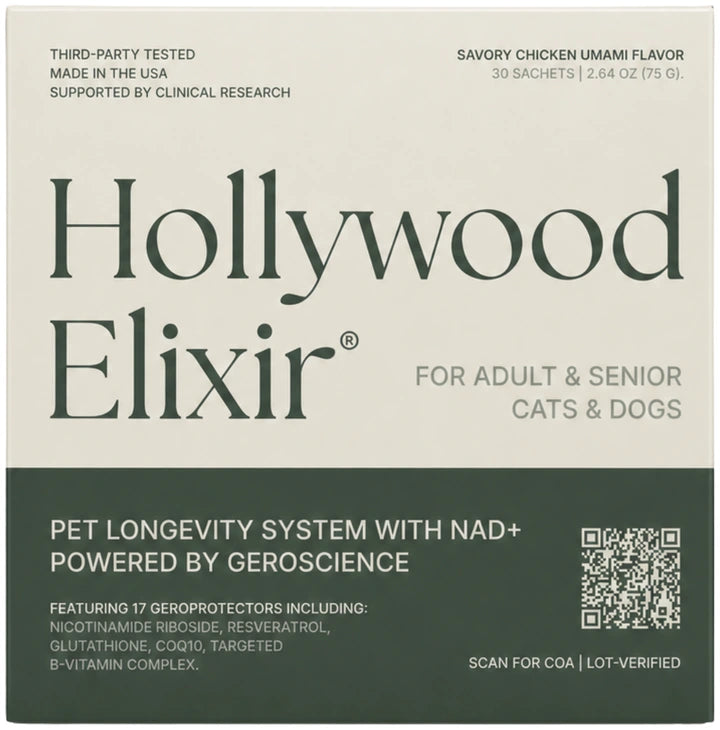
One serving a day, built for aging cats
Hollywood Elixir is our daily supplement for adult and senior cats, made to the LPL-01 standard with every active ingredient at a visible amount. It never replaces your veterinarian — it sits alongside the routine on this page.
Starting at $50/month · cancel anytime
Shop Hollywood ElixirWhen to Call the Vet
Split urgent signs from trends that deserve a scheduled veterinary conversation.
Go urgently
- Open-mouth breathing, hard breathing effort, blue or gray gums, collapse, seizure, sudden blindness, or severe weakness.
- Repeated litter-box trips with little or no urine, painful straining, blood with distress, inability to rise, or painful abdomen.
- Repeated vomiting with weakness, suspected toxin exposure, traumatic fall, uncontrolled bleeding, or rapid decline.
Schedule promptly
- Weight gain or loss, appetite change, vomiting, thirst, larger urine clumps, constipation, diarrhea, accidents, or muscle loss.
- Bad breath, drooling, dropped food, slower chewing, eye discharge, redness, cloudiness, squinting, or night hesitation.
- Lower jumps, noisy landings, reduced climbing, poor play recovery, grooming decline, stiffness, or hiding.
- Less social contact, irritability, sleep changes, coughing, wheezing, unusual fatigue, or reduced activity.
- Bring ounce-level weight records, meal notes, litter logs, eye photos, dental signs, and movement videos.
The 90-Day Support Routine
Ninety days of small, repeatable habits make subtle changes visible — and give any new routine a fair test.
- Week one: record weight, rib feel, waist, thigh muscle, appetite, dental breath, eye appearance, climbing routes, play recovery, thirst, litter clumps, stool, and social habits.
- Week one: set measured meals, puzzle feeding, stable vertical routes, easy litter access, and a calm dental-handling routine.
- Weekly: check mouth, eyes, weight feel, appetite, litter, jumping, grooming reach, and whether the cat still seeks normal social contact.
- Monthly: repeat scale weight, body-condition notes, eye photos if useful, litter trends, dental observations, and movement clips.
- Day 90: review trends with your veterinarian and adjust calories, dental timing, eye follow-up, kidney screening, pain support, or home access.
Tools for Tracking Comfort and Aging
Use these when a life-stage, body-condition, or quality-of-life question needs more structure.
Cat Age Calculator
Use age context when a tiny active cat changes ounces, eyes, teeth, litter, or climbing.
ToolCat Quality of Life Scale
Use when mouth pain, sensory change, urinary signs, mobility, anxiety, or treatment burden changes daily comfort.
ToolCat Biological Age Calculator
Frame healthy-aging conversations around small-scale body condition and function.
Frequently Asked Questions
Short answers to the questions owners ask most.
What is a realistic Singapura lifespan?
Singapura lifespan planning can use 9-15 years, with individual care shaped by small-cat body condition, dental comfort, eye changes, indoor enrichment, kidney and urinary records, mobility, and senior diagnostics.
Are Singapura Cats long-lived cats?
They are planned around 9 to 15 years, but the useful goal is keeping a tiny active cat lean, dental-pain-free, and mobile.
When should Singapura senior care start?
Use 10+ as the senior marker and begin baselines around 7 for weight, teeth, eyes, litter, climbing, appetite, and social behavior.
Which Singapura health problems matter most?
Obesity, dental disease, eye discharge or cloudiness, kidney or urinary signs, arthritis, appetite change, and pain-related behavior changes matter most.
Which Singapura aging signs should owners watch?
Watch small weight changes, bad breath, eye discharge, cloudiness, lower jumps, less climbing, thirst, larger urine clumps, hiding, or grooming decline.
Why does Singapura evidence feel thin?
PetMD supplies a Singapura range and notes no known genetic conditions, but large Singapura-only life-table evidence remains limited.
What should I track at home for a Singapura?
Track weight, ribs, waist, appetite, breath, chewing, eyes, thirst, urine clumps, stool, vomiting, jumps, climbing, grooming, and social routine.
What changes are urgent in a Singapura?
Open-mouth breathing, collapse, sudden blindness, severe weakness, repeated vomiting with weakness, or straining with little urine is urgent.
How often should an older Singapura see the vet?
Older Singapura cats often benefit from twice-yearly senior visits, adjusted to dental findings, kidney markers, blood pressure, eye changes, weight, and pain.
What should I ask a breeder or rescue about a Singapura?
Ask about lifespan, early deaths, dental disease, eye problems, kidney disease, heart disease, obesity, arthritis, and mobility changes.
How should I adjust the home for an older Singapura?
Use measured meals, vertical enrichment, easy litter access, stable steps, dental care, eye checks, and weight records that catch ounce-level change.
How should I use the Singapura lifespan range?
Use 9-15 years as a scheduling range for checkups and home records, not as a promise. Pair the birthday with this cat's ordinary small-cat body condition, dental comfort, eye changes, indoor enrichment, kidney and urinary records, mobility, and senior diagnostics. When breed-specific lifespan evidence is thin, trend records are more useful than a single remembered age or an optimistic breed story.
What belongs in a Singapura baseline file?
Start with the basics that can be compared later: weight, appetite, litter output, mouth comfort, movement, grooming, and favorite routines. Add the breed-specific concerns from this guide, plus any breeder, rescue, genetic, or veterinary records. A simple file makes subtle changes easier to explain during an exam.
How do I keep Singapura evidence honest?
Separate three things: the published or profile lifespan range, general cat aging evidence, and what this individual cat is showing now. Do not turn a relative's long life or a registry description into a guarantee. Use the range to ask better questions and to start screening before decline becomes dramatic.
What should I compare month to month for a Singapura?
Compare the same few signals each month rather than changing the checklist constantly. Weight trend, rib feel, appetite, thirst, urine clumps, stool, breath, chewing, jumps, grooming reach, and social routine usually reveal more than a one-day impression. Breed-specific signs should be added without crowding out those basics.
How can home notes support a Singapura vet visit?
Bring dated notes, not vague memory. A short timeline of weight, meals, litter changes, coughing or vomiting, mobility videos, coat or skin observations, and behavior shifts lets the veterinarian decide what needs diagnostics. The goal is not to self-diagnose; it is to make the clinical picture clearer.
What should stay individualized for a Singapura?
Age, ancestry, body condition, previous illness, temperament, indoor setup, dental history, and access to veterinary care can all change the plan. Two cats with the same breed name may need different monitoring. Treat breed guidance as a starting map, then let this cat's function decide the route.
How should senior comfort be judged for a Singapura?
Judge comfort through function, not just appetite or affection. Ask whether the cat can eat, drink, breathe, move, eliminate, rest, groom, interact, and accept necessary care without repeated distress. If treatment burden rises, a quality-of-life tool and a direct veterinary conversation are more useful than waiting for a crisis.
When should a Singapura plan be updated?
Update the plan after any diagnosis, dental procedure, diet change, major move, new medication, weight trend, pain episode, urinary sign, breathing change, or behavior shift. The lifespan range stays the same, but the monitoring schedule should change when this cat's risks, routines, or treatment burden change.
Is Hollywood Elixir something my Singapura needs?
No supplement is a need. Hollywood Elixir is La Petite Labs' daily supplement for adult and senior cats, not a treatment for obesity, dental disease, kidney disease, urinary disease, eye disease, arthritis, pain, or anything else on this page.
A note from La Petite Labs
Hollywood Elixir is La Petite Labs' daily supplement for adult and senior cats. It is not a treatment for anything on this page, and it never replaces your veterinarian.

Why Pampered belongs in a Singapura 90-day plan
Pampered is La Petite Labs' complete daily system, with a recommended 90-day starting window. For a Singapura household, it can sit beside this page's recording weight, rib feel, waist, thigh muscle, appetite, dental breath, eye appearance, climbing routes, play recovery, thirst, litter and repeating scale weight, body-condition notes, eye photos if useful, litter trends, dental observations, and movement clips, keeping weight, dental, eyes, and enrichment in the day-90 conversation.
Explore the Pampered™ System →