Cancer Prevention and Management for Cats

Recognize Early Warning Signs, Support Immune, Digestive, Skin, Lung Health, Reduce Recurrence Risk

Essential Summary

Why is holistic cancer care for cats important?

Holistic cancer care for cats matters because comfort is measurable. When appetite, stool, sleep, pain signals, play interest, mobility, and hydration are tracked consistently, the veterinary team can adjust supportive care sooner. The goal is a more balanced daily routine, not a replacement for oncology treatment.

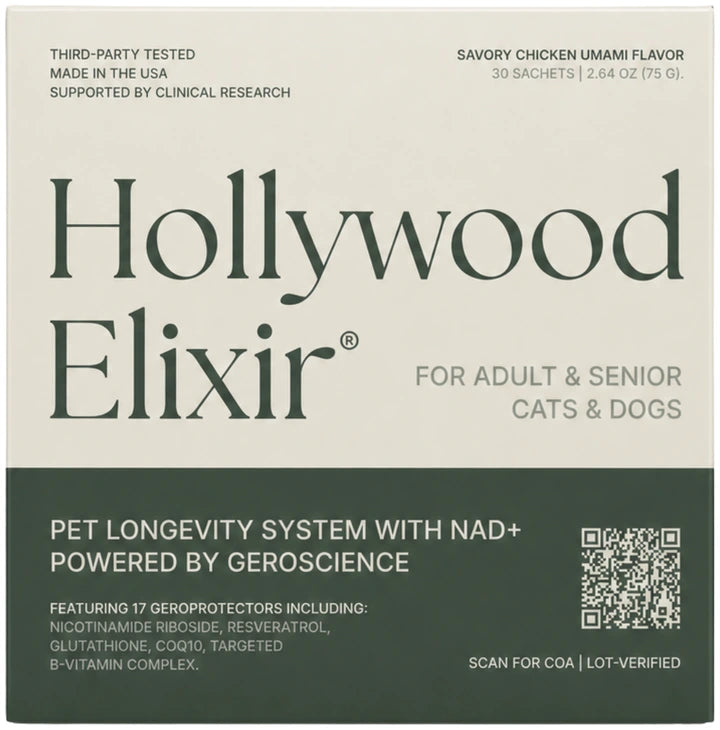
During illness or treatment, pets often face increased oxidative stress, inflammation burden, appetite fluctuations, and energy variability. Some owners choose a gentle, daily nutrition layer designed around antioxidant defense and cellular energy pathways. Hollywood Elixir™ is one option that supports normal cellular function as part of a broader plan discussed with a veterinarian.

Many families are told to “go holistic,” and assume that means replacing medical care with supplements or special foods. That is the wrong frame. The most effective feline cancer support keeps oncology decisions with the veterinary team while the household focuses on comfort signals that can be measured and acted on. Cancer care becomes gentler when appetite, stool, sleep, pain signals, play interest, mobility, and hydration are treated as daily outcome cues—not as vague impressions.

Cat cancer management is often won or lost in the basics: preventing a spiral of nausea, constipation, dehydration, and pain that makes eating feel unsafe. Nutrition matters, but evidence for a single “anti-cancer” diet or supplement strategy in dogs and cats is limited and variable, so plans should be individualized and coordinated with the oncologist. That coordination is not paperwork; it protects safety, because timing and interactions can change how side effects look and how quickly the team can respond.

This guide uses a myth-bust approach, then builds a practical checklist: what to watch at home, what to document for the vet, what not to do, and how to keep routines more balanced during a stressful season. Holistic cancer care for cats, done well, is not dramatic. It is consistent, measurable, and designed to protect quality of life.

  • Cat cancer management works best when supportive care protects comfort and nutrition alongside veterinary treatment.
  • The biggest misconception is that “natural” approaches can replace diagnosis; they cannot, but they can support quality of life.
  • Use a daily quality-of-life scaffold: appetite, stool, sleep, pain signals, play interest, mobility, hydration, and grooming.
  • Track patterns, not single moments: intake percent, vomiting dates, stool score, litter clump size, weekly weight, and muscle feel.
  • Keep diet changes stable and intentional; frequent switching can hide nausea or constipation cycles.
  • Treats and add-ons should stay limited so the main diet remains complete and balanced.
  • Prepare for vet visits with a full list of foods/supplements and specific questions about side effects and “when to call.”

The Myth: Natural Care Can Replace Oncology Treatment

The most damaging myth is that “natural” steps can replace diagnosis and oncology care. In reality, feline cancer support works best when it protects comfort and nutrition while the veterinary team targets the tumor. Cancer changes how cats use energy and protein, and those shifts can make appetite and muscle loss more likely even before treatment begins (Amaral, 2025). Holistic cancer care for cats is not one lever; it is a set of small, coordinated choices that keep the body from becoming less balanced during a stressful time.

Coordination matters early: supplements, herbs, and diet changes can interact with medications or complicate side-effect patterns, so the oncologist should know everything being used. A practical start is a single written list of foods, treats, supplements, and timing, plus a “good day/bad day” note. This keeps cat cancer management focused on comfort signals rather than guesswork when decisions need to be made quickly.

Mitochondria artwork highlighting longevity science connected to holistic cancer care for cats.

A Daily Quality-of-life Scaffold for Cats with Cancer

Supportive care begins with a simple quality-of-life scaffold that can be repeated every day. Appetite, stool quality, sleep, pain signals, play interest, mobility, hydration, and grooming behavior are the outcome cues that most reliably reflect how a cat is coping. Because cancer and its treatments can affect multiple organs at once, the goal is not perfection; it is noticing when the pattern becomes less balanced so help arrives sooner.

What to document for the vet can be brief but consistent: how much was eaten, how often the litter box was used, and whether the cat sought hiding spots or social contact. Add a 0–3 note for pain signals (tense posture, facial grimace, reluctance to jump). This daily rhythm turns feline cancer support into actionable information, especially when medication changes are being considered.

Close-up DNA helix tied to cellular integrity and support from cat cancer management.

Nutrition Priorities: Intake First, Perfection Later

Nutrition is often the most powerful comfort tool because it influences energy availability, nausea risk, and stool quality. In cats with cancer, maintaining intake is frequently more important than chasing a perfect “anti-cancer” recipe; evidence for specific cancer diets and supplements in dogs and cats is limited and variable, so plans should be individualized (Amaral, 2025). A veterinary nutrition assessment also looks at body condition, muscle condition, and the household’s ability to deliver the plan consistently (Members, 2011).

At home, the most useful routine is to protect mealtime calm: warm aromatic foods, offer small portions more often, and keep bowls away from loud appliances. If nausea is suspected, note whether the cat approaches food then turns away, or lip-licks after sniffing. These observations help the team adjust cat cancer management without unnecessary diet churn.

Protein structure illustration showing biological precision behind cat cancer management.

GI Comfort: Why Stool and Vomiting Patterns Drive Choices

Gastrointestinal comfort is a common bottleneck in feline cancer support, whether the tumor involves the gut or treatment irritates it. Nutrition plans for GI disease in dogs and cats often consider fat level, fiber type, and protein strategy, and they may need adjustment based on stool quality and appetite (Lenox, 2021). When a cat’s gut feels unsettled, even a well-designed oncology plan can become less balanced because intake drops first.

Household cues include smaller stools, straining, sudden soft stool, or a new pattern of vomiting hairballs that are mostly food. Keep a simple “stool note” (formed/soft/watery, mucus yes/no) and bring photos if comfortable. This kind of documentation helps the vet decide whether to change food texture, add anti-nausea support, or investigate dehydration.

Pug portrait highlighting companionship and steady support from holistic cancer care for cats.

Treats and Add-ons Without Losing Diet Balance
Treats feel like love, but they can quietly crowd out the nutrient profile a cat needs during illness. The common “10% of calories from snacks” guidance is meant to protect overall diet balance, and even within that limit, snack choices can meaningfully shift nutrient intake (Príncipe, 2025). For holistic cancer care for cats, the goal is not restriction for its own sake; it is keeping the main diet doing the heavy lifting while still allowing comfort rituals.

A workable routine is to pre-portion a day’s treats into a small container and stop when it is empty. Choose single-ingredient treats when possible, and avoid frequent “new” snacks that make nausea tracking harder. If appetite is low, discuss with the vet whether treats should be used strategically to start eating, rather than replacing meals.

“Supportive care works best when comfort is measured, not guessed.”

Home-prepared Diets: the Hidden Risk of Imbalance

A common misconception is that home-cooked cancer diets are automatically safer or more “healing.” In practice, many commercial and home-prepared diets recommended for cancer have nutrient imbalances, and recipes may be incomplete without careful formulation and supplementation (Heinze, 2012). In cats, small nutrient gaps can matter because they eat relatively consistent patterns and may refuse sudden changes. Cat cancer management benefits more from reliability than from frequent reinvention.

If home-prepared food is important to the household, the safest path is a veterinary nutritionist-designed recipe with a clear supplement plan and a transition schedule. Owners can watch for early red flags of a poor fit: coat becoming dull, stools turning persistently soft, or the cat begging but not finishing meals. These are signals to adjust, not to push harder.

Weimaraner portrait reflecting poise and wellness support tied to cat cancer management.

Hydration as a Comfort Lever

Hydration is an underappreciated comfort lever because dehydration can worsen constipation, nausea, and fatigue. Cats often compensate quietly, so the biology shows up as thicker urine, drier stools, and less interest in play rather than obvious thirst. During treatment, hydration needs can shift quickly if vomiting, diarrhea, or reduced intake occurs, making daily observation more valuable than occasional checks.

Simple home supports include adding water to wet food, offering multiple bowls in quiet locations, and using a fountain if the cat prefers moving water. Track litter clump size and frequency as a practical proxy. If gums feel tacky, the cat is repeatedly constipated, or urine output drops, that is a “call the vet” moment rather than a wait-and-see experiment.

Side-profile dog portrait highlighting focus and alertness supported by cat cancer management.

Pain Signals in Cats and Why They Change Everything

Pain control is not only about comfort; it protects appetite, sleep depth, and mobility. Cats often mask pain, so it appears as subtle behavior change: hiding, reduced grooming, or reluctance to jump. Some cancer protocols include anti-inflammatory medications, but safety and monitoring are essential because adverse events can occur with long-term use in cats (Bulman-Fleming, 2010). Feline cancer support should treat pain signals as data, not as something to “tough out.”

Owners can document pain signals twice daily: posture (hunched vs relaxed), facial tension, and willingness to be touched near the affected area. Note whether the cat eats better after pain medication, which can help the vet fine-tune timing. Never add human pain relievers, and avoid stacking over-the-counter products without explicit veterinary guidance.

Product breakdown image highlighting 16 actives and benefits supported by feline cancer support.

Sleep, Stress Load, and Recovery Depth at Home

Sleep and stress load shape how a cat copes with illness because they influence appetite, grooming, and social behavior. A cat that cannot settle may appear “restless” at night, then sleep more during the day, creating a less balanced routine that owners interpret as decline. The goal is to protect predictable rest: quiet spaces, familiar bedding, and minimal handling during recovery windows after vet visits or treatments.

A helpful household practice is to keep one room as a low-traffic recovery zone with litter, water, and food separated. Track sleep location changes: moving from bed to closet can be a stress cue, not just preference. If the cat vocalizes at night, pants, or seems unable to get comfortable, report it promptly because pain, nausea, or breathing issues may be involved.

A Real-world Scenario: When Too Many Changes Hide the Signal

Case vignette: A 12-year-old cat with suspected intestinal lymphoma starts eating half portions and visiting the litter box more often. The family switches foods repeatedly, adds multiple supplements, and the cat becomes more withdrawn. When the oncologist reviews a simple log, the pattern points to nausea and constipation cycles rather than “pickiness,” and the plan shifts toward symptom control and a stable diet strategy.

This scenario is common in cat cancer management: rapid changes create noise that hides the real signal. A calmer approach is to change one variable at a time and give it several days unless the vet advises otherwise. Owners can still practice holistic cancer care for cats by focusing on comfort routines, predictable feeding, and clear documentation that helps the medical team act with precision.

“Change one variable at a time so the pattern stays visible.”

Research-style uniform highlighting scientific integrity aligned with feline cancer support.

Owner Checklist: the Home Signs That Matter Most

Owner checklist (home-observable): 1) Appetite pattern—approaches food then turns away, or eats only certain textures. 2) Litter box changes—smaller clumps, straining, or new stool softness. 3) Pain signals—hunched posture, less jumping, or guarding a body area. 4) Social shift—hiding more, reduced grooming, or less play interest. 5) Hydration cues—tacky gums or persistently dry stools. These are the practical anchors of feline cancer support.

If two or more checklist items change within a week, document dates and bring the notes to the vet. If the cat stops eating for a day, vomits repeatedly, has labored breathing, or cannot urinate, treat it as urgent. The checklist is not a diagnostic tool; it is a way to keep cat cancer management responsive rather than reactive.

Hollywood Elixir in food tableau emphasizing purity aligned with feline cancer support.

What to Track over Time for Clear Vet Decisions

What to track rubric (over time): body weight (weekly), muscle feel over the spine and hips (weekly), daily food intake (percent of normal), water intake or litter clump size (daily), stool score (daily), vomiting episodes (date/time), and “good day/bad day” notes tied to play interest and hiding. Cancer-associated metabolic changes can make weight and muscle drift in different directions, so both markers matter (Amaral, 2025).

Use a single page or phone note so patterns are visible at a glance. Bring the rubric to every appointment, including rechecks, because it helps the team separate medication side effects from disease progression. This is one of the most effective forms of holistic cancer care for cats: not adding more interventions, but making the existing plan easier to steer.

Owner and dog moment highlighting wellness rituals supported by holistic cancer care for cats.

Vet Visit Prep: Questions That Improve Coordination

Vet visit prep: arrive with a current list of all foods, treats, supplements, and timing, plus the tracking rubric. Ask: 1) Which side effects are expected for this specific treatment, and which require a same-day call? 2) What appetite or stool changes should trigger medication adjustments? 3) Are there supplements that should be avoided due to drug interactions or lab monitoring needs? 4) What is the plan if the cat refuses food for 24 hours?

Also share practical constraints: whether pilling is possible, whether the cat tolerates syringes, and which textures are reliably eaten. These details help the team design cat cancer management that fits the household, which often determines success more than an idealized plan.

What Not to Do: Common Mistakes That Backfire

What not to do: 1) Do not start multiple supplements at once; it becomes impossible to interpret nausea, stool changes, or appetite shifts. 2) Do not use essential oils, “detox” products, or high-dose vitamins without veterinary approval; cats are uniquely sensitive, and dietary-origin vitamin D toxicity has been documented (Crossley, 2017). 3) Do not force-feed without a plan; it can create food aversion that lasts. 4) Do not stop prescribed medications abruptly unless directed.

A safer pattern is to prioritize comfort basics first—pain control, nausea control, hydration, and a stable diet—then add any supportive layers one at a time with clear goals. Feline cancer support is most effective when it reduces chaos, not when it adds intensity.

Weight and Muscle: Protecting Stamina During Illness

Weight and muscle are not cosmetic metrics; they reflect stamina and recovery capacity. In older cats, nutritional management should be individualized because aging changes body composition and nutrient handling, and maintaining appropriate body condition and muscle mass is emphasized (Stockman, 2024). During cancer care, a cat can look “round” yet be losing muscle, which can make mobility and appetite more fragile.

At home, use a consistent scale and weigh at the same time of day, ideally weekly. Pair the number with a quick hands-on check: feel along the spine and hips for padding versus sharpness. If weight drops quickly or the cat becomes less willing to jump, report it; early adjustments to feeding strategy can protect comfort and daily function.

Comparison layout showing ingredient quality differences relevant to feline cancer support.

Home Setup That Supports Eating, Litter Box, and Rest

Environmental support is often underestimated in holistic cancer care for cats because it looks “non-medical,” yet it directly affects eating, litter box success, and rest. Pain, weakness, or nausea can make a cat avoid stairs, high-sided boxes, or noisy feeding areas. Small changes reduce friction: low-entry litter boxes, ramps to favorite spots, and food stations that allow the cat to eat without feeling exposed.

Owners can watch for micro-signals: stepping into the box then leaving, hovering near food without eating, or choosing the floor instead of a bed. Adjust one environmental factor at a time and note whether the cat’s routine becomes more balanced. These changes are especially valuable on treatment days when energy can be variable.

Unboxed supplement reflecting refined experience and trust in feline cancer support.

Prevention Framed Realistically: Reducing Avoidable Strain

“Prevention” in a cancer conversation often means reducing avoidable strain rather than promising protection. The most realistic household goals are maintaining a healthy body condition, keeping nutrition complete and consistent, and addressing chronic inflammation drivers (like untreated dental pain) early. Nutritional assessment frameworks emphasize evaluating the whole cat—diet, body condition, muscle condition, and feeding management—because small gaps accumulate over time (Members, 2011).

For families thinking about long-term cat cancer management planning, schedule routine wellness checks, keep vaccines and parasite control current, and avoid frequent diet hopping without a reason. These steps support a more balanced baseline, which can matter if illness occurs later. Feline cancer support starts before diagnosis by building predictable routines and good documentation habits.

Putting It Together: a Calm, Measurable Support Plan

A calm decision framework helps when emotions run high: define the next two weeks’ goals (comfort, eating, litter box success), choose the smallest set of changes that could help, and measure them with the tracking rubric. Nutrition and oncology evidence in dogs and cats supports individualized plans focused on maintaining intake and managing side effects, rather than relying on one “miracle” diet or supplement. This is the heart of holistic cancer care for cats.

When to call the vet: no food intake for 24 hours, repeated vomiting, watery diarrhea, obvious pain, sudden hiding with rapid breathing, or inability to urinate/defecate. Bring notes, not just impressions. Cat cancer management becomes gentler and more balanced when the care team can see the pattern clearly and respond early.

“A stable routine can protect appetite, sleep depth, and mobility.”

Educational content only. This material is not a substitute for veterinary advice. Always consult your veterinarian about your cat’s specific needs. These statements have not been evaluated by the Food and Drug Administration. Products mentioned are not intended to diagnose, treat, cure, or prevent any disease.

Glossary

  • Body condition score (BCS) - A visual and hands-on estimate of body fat used to guide feeding.
  • Muscle condition score (MCS) - A hands-on assessment of muscle loss over the spine, shoulders, and hips.
  • Cancer cachexia - A syndrome of weight and muscle loss driven by illness-related metabolic changes.
  • Inappetence - Reduced desire to eat; may reflect nausea, pain, stress, or disease effects.
  • Food aversion - Learned avoidance of a food after nausea or stress is associated with eating it.
  • Stool score - A simple rating of stool firmness used to track GI comfort over time.
  • Palliative care - Care focused on comfort and quality of life, alongside or instead of disease-directed therapy.
  • Oncology coordination - Sharing all diet, treat, and supplement details with the cancer care team to avoid conflicts.
  • Outcome cues - Observable daily signals (appetite, stool, sleep, mobility) that reflect how a cat is coping.

Related Reading

References

Lenox. Nutritional Management for Dogs and Cats with Gastrointestinal Diseases.. PubMed. 2021. https://pubmed.ncbi.nlm.nih.gov/33653539/

Príncipe. Assessment of the Nutritional Impact of the 10% Snack Recommendation in Pet Diets. 2025. https://www.mdpi.com/2306-7381/12/3/282

Heinze. Assessment of commercial diets and recipes for home-prepared diets recommended for dogs with cancer.. PubMed. 2012. https://pubmed.ncbi.nlm.nih.gov/23176236/

Amaral. Connection between nutrition and oncology in dogs and cats: perspectives, evidence, and implications—a comprehensive review. 2025. https://www.frontiersin.org/journals/veterinary-science/articles/10.3389/fvets.2024.1490290/full

Stockman. Nutrition and Aging in Dogs and Cats.. PubMed. 2024. https://pubmed.ncbi.nlm.nih.gov/38625530/

Members. WSAVA nutritional assessment guidelines.. PubMed Central. 2011. https://pmc.ncbi.nlm.nih.gov/articles/PMC11107980/

Bulman-Fleming. Evaluation of adverse events in cats receiving long-term piroxicam therapy for various neoplasms.. PubMed Central. 2010. https://pmc.ncbi.nlm.nih.gov/articles/PMC11135588/

Crossley. Vitamin D toxicity of dietary origin in cats fed a natural complementary kitten food.. PubMed Central. 2017. https://pmc.ncbi.nlm.nih.gov/articles/PMC5731632/

FAQ

What does supportive cancer care for cats actually include?

Supportive care focuses on comfort and daily function while the veterinary team addresses the cancer itself. It usually includes appetite support, nausea and pain control, hydration planning, stool management, and stress reduction at home.

The most helpful approach is measurable: track appetite, litter box output, sleep, mobility, and “good day/bad day” notes. This turns feline cancer support into clear information the vet can act on.

Can diet prevent cancer in cats?

No diet can promise cancer prevention in cats. Nutrition can, however, support a more balanced baseline by maintaining healthy body condition and providing complete, consistent nutrients.

For cat cancer management planning, the practical goal is reducing avoidable strain: avoid frequent diet hopping, keep treats limited, and address chronic issues (like dental pain) early. Discuss individualized nutrition choices with a veterinarian.

What is the biggest myth about holistic cancer care?

The biggest myth is that “natural” products can replace diagnostics, oncology treatment, or pain control. That belief often delays care and makes symptoms harder to interpret.

Holistic cancer care for cats is most useful when it supports comfort basics—eating, hydration, sleep, and mobility—while the veterinary team targets the disease. Coordination and documentation are what make it effective.

What should be tracked daily during cancer treatment?

Track appetite (percent of normal), vomiting, stool quality, litter box frequency, water intake or litter clump size, pain signals, and activity/play interest. Add a simple “good day/bad day” note.

Daily tracking helps the vet separate medication side effects from disease progression. It also keeps cat cancer management gentler by prompting earlier adjustments when patterns become less balanced.

When should an owner call the vet urgently?

Call urgently if a cat eats nothing for 24 hours, has repeated vomiting, watery diarrhea, labored breathing, obvious pain, sudden collapse, or cannot urinate or defecate.

For feline cancer support, it is safer to call early than to wait for certainty. Bring concrete notes (times, amounts, photos of stool/vomit if possible) so the team can respond with precision.

Are home-cooked cancer diets safer for cats?

Not automatically. Home-prepared diets can be incomplete or imbalanced if they are not formulated and supplemented correctly, which can matter during illness when intake is already fragile.

If home cooking is important, ask for a veterinary nutritionist-designed recipe and a transition plan. In cat cancer management, reliability and completeness usually matter more than novelty.

Should treats be avoided during feline cancer support?

Treats do not need to be eliminated, but they should be controlled so they do not crowd out the main diet. A common guideline is keeping snacks to a small portion of total calories(Príncipe, 2025).

In holistic cancer care for cats, treats can be used strategically to encourage eating or make medication time calmer. Pre-portion a day’s treats so the overall plan stays more balanced.

How can nausea look in cats with cancer?

Cats may approach food, sniff, then walk away, or they may lick lips, swallow repeatedly, or drool. Some cats hide more, become less social, or vomit intermittently.

Document timing: whether nausea signs cluster after medication, car rides, or meals. This information helps the veterinarian adjust anti-nausea support and keeps cat cancer management from turning into constant diet switching.

What are subtle pain signals owners often miss?

Common subtle signs include hiding, reduced grooming, tense posture, reluctance to jump, changes in facial expression, and irritability when touched. Some cats simply sleep in different places or stop playing.

For feline cancer support, treat these as meaningful outcome cues. Share specific examples and timing with the vet; pain control often improves appetite and sleep depth, which can make the whole routine less uneven.

Can supplements interfere with chemotherapy or other medications?

Yes. Supplements can change appetite, stool patterns, or lab values, and some may interact with medications. That is why oncologists want a complete list of everything being given, including timing.

A safe rule for holistic cancer care for cats is to add only one new supplement at a time and document changes. If considering Hollywood Elixir™, discuss fit and timing with the veterinary team so it supports the plan without adding confusion.

How quickly should supportive care changes show results?

Some changes, like nausea or pain medication adjustments, may show effects within a day or two. Nutrition and routine changes often take several days to reveal a clearer pattern.

Use the same outcome cues each day—appetite, stool, sleep, mobility—so progress is visible. In cat cancer management, the goal is not instant transformation; it is a gentler, more balanced week-to-week trend.

Is weight loss always expected with cancer in cats?

Weight loss is common but not inevitable. Cancer and treatment can change energy and protein handling, and appetite may fluctuate, which is why early monitoring matters.

Weigh weekly and also monitor muscle feel over the spine and hips. If weight drops quickly or the cat becomes less willing to move, contact the vet; earlier nutrition adjustments can support stamina and comfort.

What feeding approach helps when a cat is picky?

First, assume “picky” could be nausea, pain, dental discomfort, or constipation. Offer small, frequent meals, warm aromatic foods, and try one texture change at a time rather than rotating brands daily.

For feline cancer support, the best feeding plan is the one the cat will reliably eat. Document what works (texture, temperature, location) so the veterinary team can build a stable strategy around it.

How can hydration be supported at home safely?

Offer multiple water stations in quiet areas, consider a fountain, and add water to wet food if the cat accepts it. Monitor litter clump size and stool dryness as practical hydration cues.

If vomiting, diarrhea, or constipation appears, hydration needs can change quickly. In cat cancer management, dehydration is a reason to call the vet rather than relying on home-only fixes.

Are high-dose vitamins safe for cats with cancer?

High-dose vitamins can be risky in cats, especially if multiple products overlap. Dietary-origin vitamin D toxicity has been reported in cats, showing that “natural” does not always mean safe(Crossley, 2017).

For holistic cancer care for cats, avoid stacking multivitamins, fortified treats, and concentrated drops unless a veterinarian has reviewed the full diet. Safety and clarity matter more than intensity.

What questions should be asked at an oncology appointment?

Ask which side effects are expected, which require a same-day call, and what the plan is if the cat refuses food for 24 hours. Also ask how pain and nausea will be assessed between visits.

Bring a list of foods, treats, and supplements with timing. This improves feline cancer support by preventing interactions and by making it easier to interpret appetite and stool changes.

How should a supplement be introduced during cancer care?

Introduce only one new supplement at a time, keep the dose and timing consistent, and track outcome cues for several days. This reduces noise and helps the vet interpret changes accurately.

If using Hollywood Elixir™, position it as a daily layer that supports normal cellular function, and confirm with the oncology team that it fits the medication schedule.

Does supportive care differ for older cats?

Yes. Aging changes body composition and nutrient handling, so nutrition and monitoring should be individualized, with special attention to muscle maintenance and hydration(Stockman, 2024).

Older cats may show discomfort as reduced jumping or grooming rather than obvious limping. In cat cancer management, small environmental changes—low-entry litter boxes, ramps, quiet feeding—often support a more balanced daily routine.

Is Hollywood Elixir™ a cancer treatment for cats?

No. Hollywood Elixir™ is not a treatment, cure, or prevention strategy for cancer. Cancer care decisions should be led by a veterinarian or veterinary oncologist.

Some owners use it as a gentle, daily nutrition layer that supports normal cellular function as part of a broader plan. The safest approach is to share the full ingredient list and timing with the care team.

How can owners decide what matters most day-to-day?

Choose a small set of priorities: eating enough, comfortable stooling and urination, restful sleep, manageable pain signals, and some interest in normal interaction. Then measure those same cues daily.

This decision framework keeps holistic cancer care for cats practical. It also makes vet conversations clearer because changes can be described as patterns, not impressions, which supports better adjustments to the plan.