
Skin and Coat Clues to Systemic Disease: 5 Warning Signs
Read full insightSkin Glands in Cats
Recognize Gland Disorders and Address Coat, Odor, Ear, and Hormonal Imbalances
By La Petite Labs Editorial 15 min read

A common misconception is that a greasy chin or tail base means a cat is “dirty” or poorly groomed. In reality, Skin Glands in Cats can swing between too little and too much surface oil in very local zones, and those shifts can set up chin acne, stud tail, or stubborn greasy patches even in fastidious groomers. The key is not scrubbing harder; it is recognizing which gland-rich area is acting differently and why.
Cats generally run with less obvious sebaceous output than many other species, so small changes in sebum can look dramatic: blackheads on the chin, waxy clumps along the spine, or a tail base that feels tacky hours after grooming. Sebum is not just “oil”; it is part of the skin barrier and a surface habitat that influences microbes and inflammation (Elizabeth A Mauldin, 2015). When that balance shifts, the skin can become more reactive, pores can plug, and hair shafts can mat.
This page focuses on two primary patterns owners can act on: chin acne and stud tail/supracaudal gland overactivity. It also shows what to observe at home, what to compare between vet visits, and what not to do when the coat feels greasy but the skin underneath is actually irritated. Related topics—skin microbiome, barrier lipids, grooming mechanics, dehydrated skin, and allergy-driven infections—matter here because gland output and inflammation often travel together.
- Skin Glands in Cats most often show up as localized chin acne or stud tail, not whole-body oiliness.
- Grease is not proof of poor hygiene; it can reflect follicle plugging, friction, residue, and inflammation in gland-dense zones.
- Chin acne forms when keratin and sebum collect in follicles; redness, tenderness, or pustules suggest escalation beyond cosmetic blackheads.
- Stud tail centers on the supracaudal tail base, where more fluid sebum can mat hair and shift the local surface environment.
- Track shift indicators: new comedones per week, odor, pustules, touch sensitivity, and how fast grease returns after brushing.
- Avoid squeezing blackheads, harsh degreasing, and human acne products; irritation can prolong a choppy course.
- Bring photos, product history, and location-specific notes to the vet to speed decisions on cytology, topical care, and underlying triggers.
The Myth: Grease Means Poor Hygiene
Greasy patches in cats are often blamed on “not cleaning well enough,” but the more accurate explanation is localized gland behavior. Skin Glands in Cats include sebaceous glands tied to hair follicles and specialized gland-dense zones that can overproduce or underdeliver sebum, changing how the coat lies and how pores clear (Elizabeth A Mauldin, 2015). When sebum is low, the barrier can feel dry yet still trap debris in follicles; when sebum is high, it can glue shed hair and keratin into plugs that look like dirt.
At home, the “dirty cat” story tends to appear after a new black-speckled chin or a tail base that feels waxy despite normal grooming. A useful first step is to separate coat texture from skin comfort: a greasy feel can coexist with redness, tenderness, or tiny crusts. That distinction changes the plan, because aggressive degreasing can worsen irritation and trigger more rubbing and inflammation.
What Skin Glands Actually Do for the Coat
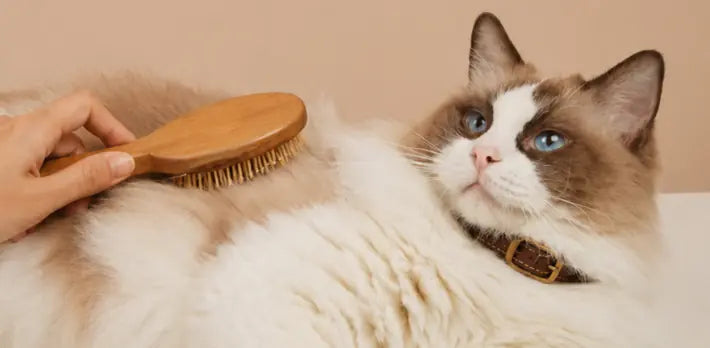
Sebaceous glands release lipids that coat hair shafts, influence surface hydration, and contribute to barrier function (Elizabeth A Mauldin, 2015). In cats, the visible “shine” of sebum is often subtle, so a small shift can look like a sudden problem. When sebum is more controlled, hairs separate and lie smoothly; when it becomes more fluid and excessive in one area, hairs clump and the skin surface holds onto keratin and environmental debris, setting the stage for comedones.
Owners often notice the change during routine touch points: under the chin after meals, at the tail base during petting, or along the lower back when brushing. Those are also areas where friction, saliva, food residue, or grooming reach can change day to day. Noting where the coat first feels tacky helps narrow whether the issue is chin acne, supracaudal gland activity, or a broader dermatitis pattern that needs a different workup.

Why Cats Show Localized Problems, Not Whole-body Oiliness
Cats tend to present with “islands” of gland change—chin, tail base, or small greasy saddles—rather than uniform oiliness. That is partly because gland density and follicle structure vary by body region, and because feline grooming distributes oils unevenly depending on flexibility, coat length, and comfort. The integumentary system is a mosaic of hair follicles, sebaceous units, and specialized glands, each with its own threshold for plugging or inflammation.
A practical home observation is whether the issue respects boundaries: a chin that looks peppered while the rest of the coat is normal, or a tail base that stays greasy while the tail tip is clean. Boundary-respecting patterns point toward gland-rich zones and local triggers (friction, residue, grooming reach). Diffuse greasiness with widespread scaling suggests stepping back and considering diet consistency, bathing products, or a broader skin condition.

Chin Acne: When Follicles Plug in a High-contact Zone
Feline chin acne is best understood as follicular plugging in a region that experiences constant contact: bowls, floors, hands, and the cat’s own grooming tongue. When sebum is relatively low, the skin barrier can become more reactive and the follicle opening can trap keratin; when sebum becomes more fluid, it can bind keratin into comedones. Either way, the visible result is blackheads, roughness, and sometimes small pustules if secondary bacteria take advantage of the clogged follicle environment.
A useful routine is to check the chin in good light once weekly, before it becomes a daily worry. Look for texture changes first—sandpapery feel, tiny crusts—then color changes. If the cat resists chin touch or rubs the face more, that behavior can be an early signal that inflammation is building under the comedones.

Stud Tail and the Supracaudal Gland Hotspot
Stud tail refers to greasy, sometimes crusty changes over the dorsal tail base where the supracaudal gland complex is concentrated. This area can produce a more fluid, waxy sebum that mats hair and creates a “dirty” look even after brushing. The skin may appear normal at first, but persistent oil can trap debris and shift the local microbiome, increasing the chance of folliculitis or odor. The mechanism is still rooted in sebaceous activity and follicle plugging within the integumentary system.
Owners often notice stud tail when the cat stands and the tail base catches the light: the hair looks separated into spikes or feels tacky at the roots. Because this zone is hard for some cats to groom thoroughly, gentle brushing and targeted hygiene are often more realistic than full baths. The goal is to keep the surface less choppy without abrading the skin.
“Grease is often a location problem, not a cleanliness problem.”
Case Vignette: the “Clean” Cat with a Dirty Chin
A 6-year-old indoor cat develops black specks on the chin two weeks after switching to a deeper ceramic bowl. The coat elsewhere stays glossy, but the chin becomes rough and the cat starts rubbing the face on the sofa corners. This pattern fits a localized follicle-plugging problem where contact, residue, and sebum balance collide, rather than a whole-body grooming failure.
In a household routine, the most revealing step is to change one variable at a time: swap to a shallow, easy-to-clean bowl, wipe the chin after wet food, and avoid picking at comedones. If the specks lighten but redness persists, that shift indicator suggests inflammation is now the main driver and a veterinary plan may be needed to prevent deeper infection.

Owner Checklist: Quick At-home Checks That Matter
A focused checklist helps separate cosmetic oil from a gland-driven skin problem. Check (1) whether blackheads are clustered on the chin versus scattered, (2) whether the tail base hair is tacky at the roots, (3) whether there is redness, swelling, or pain on touch, (4) whether odor is present, and (5) whether the cat is rubbing, overgrooming, or avoiding handling. These observations map directly to follicle plugging, inflammation, and secondary infection risk within Skin Glands in Cats.
Make the checklist a calm, 60-second routine during a time the cat already accepts touch, such as before meals. Use fingertips rather than nails to feel for grit or crusts. If the cat’s behavior changes—flinching at the chin, twitching at the tail base—that behavioral shift can matter as much as the visible grease.

What to Track Between Vet Visits
Tracking turns a vague “greasy” complaint into a clearer handoff. Useful markers include: number of new chin comedones per week, presence of pustules or bleeding, odor intensity, tail-base tackiness after brushing, hair breakage or thinning over the supracaudal area, and the cat’s tolerance of touch. These shift indicators help define whether the condition is staying superficial or crossing a threshold into dermatitis that needs prescription support.
Photos taken in the same lighting every 7–10 days are often more reliable than memory. Pair images with a short note about diet changes, bowl material, new grooming products, or stressors that alter grooming. When the timeline is clear, the veterinary team can more quickly decide whether to focus on topical hygiene, infection control, or an underlying trigger such as allergy patterns.

The Misconception: “More Bathing Fixes Grease”
A persistent misunderstanding is that frequent bathing is the most direct route to less oil. Over-washing can strip surface lipids and leave the barrier more reactive, which may increase rubbing and inflammation and make follicle plugging more likely. In cats, the goal is not a squeaky-clean coat; it is a surface environment that stays more controlled so follicles can clear and the skin can maintain a normal barrier rhythm.
If bathing is used, it should be targeted and infrequent, with products chosen for cats and rinsed thoroughly. Many households do better with localized wipe-downs of the chin after meals and gentle brushing at the tail base to lift oil without abrasion. When the coat feels greasy but the skin looks pink, the plan should prioritize comfort and barrier support rather than aggressive degreasing.
What Not to Do with Chin Acne or Stud Tail
Common missteps can turn mild plugging into a longer, choppier course. Avoid (1) squeezing blackheads, which can drive inflammation deeper, (2) using human acne products, especially those with irritating acids or essential oils, (3) shaving the tail base without a plan for skin protection, and (4) scrubbing with rough cloths that create microtrauma. Skin is an active organ with repair demands, and irritation can slow restoration pace when follicles are already stressed (Gouletsou, 2024).
Also avoid “rotating” multiple new shampoos or wipes in the same week; that makes it hard to identify what is helping versus what is inflaming. If a product leaves the chin red for more than a few hours, it is not a good fit. A simpler routine—clean bowl hygiene, gentle wipe, consistent brushing—often produces clearer shift indicators than a stack of interventions.
“The most useful data is where it starts and how it changes.”

Clinical Vignette of When Skin Changes Point Deeper Than the Surface
Maverick, a 4-year-old Siamese cat, was brought in for hair loss across his lower abdomen and red, flaky skin lesions that had progressed over the previous month. His owners were unsure whether he was itchy or overgrooming.
Examination showed broken hairs, abdominal alopecia, and lesions consistent with bacterial skin infection. Further testing ruled out fleas, FeLV/FIV, and common fungal causes. Because his grooming pattern suggested deeper discomfort, his veterinarian continued the workup.
Radiographs and urinalysis revealed bladder stones, crystalluria, and blood in the urine. Maverick’s overgrooming was linked to urinary pain — a case where skin changes were secondary to an internal problem.
His care required a staged plan: stabilizing the skin infection, surgically removing the bladder stones, managing pain, transitioning to a therapeutic diet, and supporting skin-barrier recovery with appropriate nutrition and fish oil.
Hair regrowth began by 8 weeks. By 6 months, his coat had fully recovered, with no recurrence after the urinary issue was resolved.
Clinical takeaway: Maverick’s case shows why feline coat loss and overgrooming deserve careful veterinary investigation. Skin and coat health can reflect pain, stress, nutrition, infection, barrier weakness, or internal disease — not just surface-level grooming behavior.
Single-case vignette. Not generalizable. Veterinary diagnosis and oversight are essential for overgrooming, hair loss, skin lesions, urinary signs, pain, or suspected infection.

When Grease Signals Inflammation, Not Just Oil
Greasy feel becomes clinically important when it pairs with inflammation: redness, swelling, crusting, pain, or odor. In those cases, the surface oil is not the main problem; it is the environment that allows microbes and debris to persist in follicles. Cats can move from comedones to pustules quickly, especially on the chin where contact and moisture are frequent. The integumentary system’s barrier role means inflammation can spread beyond the original gland-rich spot if irritation continues.
At home, a key distinction is whether the cat’s behavior changes: head shaking, chin rubbing, tail-base twitching, or avoidance of petting. Those signs suggest discomfort that deserves earlier veterinary input. Waiting for “more blackheads” can miss the moment when infection or deeper dermatitis becomes the driver.

Vet Visit Prep: the Details That Speed Diagnosis
A productive appointment starts with specific observations rather than a single label like “acne.” Bring notes on: exact location (chin center vs lip margins; tail base vs along the spine), whether lesions are comedones, pustules, or crusts, any odor, and what products have touched the area in the last month. Ask the veterinarian whether cytology is needed to check for bacterial or yeast overgrowth, and whether the pattern fits chin acne, stud tail, or a broader dermatitis picture.
Also ask which home steps are safest for that cat’s skin: wipe frequency, brush type, and whether a medicated topical is appropriate. If the cat is on injections or new medications, mention timing relative to skin changes; cutaneous lesions have been reported in cats after certain therapies, and timing can guide the differential (Storrer, 2023). Clear questions and a short timeline help the plan become more controlled faster.

Ears and Foot Pads: Secondary Gland Context
Not all feline glands are about coat oil. The external ear canal contains ceruminous glands—modified apocrine glands—that contribute to ear wax and can be involved in ear disease and, rarely, tumors (Lavanya, 2025). Foot pads also contain specialized sweat glands with distinct functional properties, which is why paw pads can feel different from haired skin and respond differently to irritants (Yasui, 2010). These examples underline that “skin glands” are region-specific tools, not a single uniform system.
For owners, this context matters because a greasy tail base does not automatically connect to ear wax or paw moisture. Each region needs its own observation lens: ear debris with head shaking belongs in an ear-focused plan, while chin comedones belong in a follicle-focused plan. Keeping problems in their lanes prevents over-treating the wrong surface.
Eyes as a Clue: Meibomian Glands and Surface Lipids
Meibomian glands in the eyelids are specialized sebaceous glands that contribute lipids to the tear film, illustrating how gland output affects surface stability beyond the coat (Sartori, 2020). While chin acne and stud tail are the main focus here, noticing concurrent eye discharge, squinting, or eyelid crusting can help a veterinarian consider whether multiple gland-rich surfaces are acting differently at the same time. That broader pattern can change which diagnostics are prioritized.
At home, eye signs should not be treated with leftover skin products or wipes. Instead, note whether eye changes track with flare-ups of greasy patches or appear independently. When signs cluster, it supports a more complete skin-and-surface review rather than chasing each spot as unrelated.
Nutrition and Coat Oil: Consistency Beats Guesswork
Diet does not “cause” chin acne or stud tail in a simple way, but nutrition shapes the raw materials available for skin and hair turnover. Commercial cat foods vary in trace and macro element content, and consistency matters when comparing coat and skin changes over time (Bilgiç, 2025). Sudden switches, frequent toppers, or unbalanced homemade additions can make it harder to interpret whether a flare reflects gland shifts, irritation, or a new exposure.
A practical approach is to keep diet stable while troubleshooting a gland issue, then adjust one variable with a clear timeline. If treats or supplements are added, record the start date and any stool or grooming changes. This creates cleaner comparisons between vet visits and reduces the chance that a nutrition change masks an improvement from better bowl hygiene or targeted grooming.

Building a More Controlled Home Routine
A more controlled routine for Skin Glands in Cats focuses on friction, residue, and gentle clearing of follicles. For chin acne, that often means daily bowl washing, choosing non-porous bowls, and a soft wipe after wet meals to remove residue before it binds with sebum. For stud tail, it means regular brushing at the tail base and spot-cleaning that lifts oil without scraping the skin. The goal is to keep follicles open and the barrier calm, not to chase perfect dryness.
Households with multi-cat dynamics should also watch for grooming changes: a cat that is being overgroomed by a companion may develop localized irritation that looks like gland trouble. If the cat is older or arthritic, reduced grooming reach can concentrate oil at the tail base. Adjusting brush type and session length can make grooming more fluid and less aversive.

When to Escalate: Red Flags That Should Not Wait
Veterinary care is warranted sooner when there is swelling, draining pus, bleeding, strong odor, rapid spread, or clear pain on touch. These signs suggest the problem has crossed from surface plugging into infection or deeper dermatitis, where prescription therapy may be needed to protect the skin barrier and prevent scarring. Cats can hide discomfort, so behavior changes—hiding, reduced appetite, sudden grooming avoidance—should be treated as meaningful shift indicators.
If a cat is immunocompromised, has diabetes, or is on medications that may affect skin responses, the threshold for escalation should be lower. Bring photos and a short list of what has been tried, including any wipes, shampoos, or home remedies. That clarity helps the veterinarian choose a plan with fewer false starts.
Putting It Together: a Calm Decision Framework
The most useful framework is location plus comfort. Chin-only blackheads with minimal redness often respond to contact and hygiene changes; tail-base grease with hair clumping points toward supracaudal gland overactivity; either pattern with pain, odor, or pustules needs veterinary assessment. Thinking this way keeps the response proportional and prevents the cycle of harsh cleaning followed by worse irritation. It also supports clearer internal links: skin microbiome and barrier lipids for surface balance, grooming for mechanical clearing, and allergy-driven infections when inflammation becomes recurrent.
Owners can aim for a routine that is consistent enough to reveal trends: the same bowl hygiene, the same gentle brush, the same photo angle, and a short log of flare triggers. When the pattern becomes more controlled, it is easier to decide whether the next step is simply maintenance or a targeted veterinary workup. That is the practical value of understanding Skin Glands in Cats.
“Gentle clearing beats aggressive stripping when follicles are irritated.”
Educational content only. This material is not a substitute for veterinary advice. Always consult your veterinarian about your dog’s specific needs. These statements have not been evaluated by the Food and Drug Administration. Products mentioned are not intended to diagnose, treat, cure, or prevent any disease.
Glossary
- Sebaceous gland - A skin gland associated with hair follicles that releases sebum.
- Sebum - A lipid-rich secretion that coats hair and contributes to skin barrier function.
- Comedone - A plugged follicle opening; often appears as a blackhead on the chin.
- Chin acne - Follicular plugging and inflammation localized to the feline chin.
- Stud tail - Greasy, sometimes crusted changes over the dorsal tail base linked to supracaudal gland activity.
- Supracaudal gland - A gland-dense region at the tail base associated with localized sebum production.
- Folliculitis - Inflammation of hair follicles, sometimes triggered by secondary infection in plugged follicles.
- Skin barrier - The outer skin function that limits water loss and blocks irritants and microbes.
- Ceruminous gland - A modified apocrine gland in the ear canal that contributes to ear wax.
Related Reading
Common Feline Integumentary Issues
• Cat Dandruff
• Why Is My Cat Shedding So Much
• Cat Hair Loss
Comfort & Recovery
• Skin & Coat Supplements for Cats
• Cat Nail Supplement
• Best Supplements for Cat Shedding
Ingredient-Level Articles
• Biotin for Cats
• Silica for Cats
• Hyaluronic Acid for Cats
• Ceramides for Cats
References
Gouletsou. First-Intention Incisional Wound Healing in Dogs and Cats: A Controlled Trial of Dermapliq and Manuka Honey. 2024. https://www.mdpi.com/2306-7381/11/2/64
Lavanya. Ceruminous Gland Tumors in Canines and Felines: A Scoping Review. PubMed Central. 2025. https://pmc.ncbi.nlm.nih.gov/articles/PMC12024219/
Sartori. A Case of Sebaceous Adenitis and Concurrent Meibomian Gland Dysfunction in a Dog. 2020. https://www.mdpi.com/2306-7381/7/2/37/htm
Storrer. Cutaneous lesions and clinical outcomes in five cats after frunevetmab injections. PubMed Central. 2023. https://pmc.ncbi.nlm.nih.gov/articles/PMC10812000/
Yasui. Functional properties of feline foot pads as studied by lectin histochemical and immunohistochemical methods. 2010. https://www.sciencedirect.com/science/article/abs/pii/S0065128108001037
Bilgiç. Investigation of Trace and Macro Element Contents in Commercial Cat Foods. PubMed Central. 2025. https://pmc.ncbi.nlm.nih.gov/articles/PMC11633335/
Elizabeth A Mauldin. Integumentary System. PubMed Central. 2015. https://pmc.ncbi.nlm.nih.gov/articles/PMC7810815/
FAQ
What are Skin Glands in Cats, in plain terms?
Skin Glands in Cats are small structures in the skin that release substances onto the surface or into hair follicles. The most discussed are sebaceous glands, which release sebum that coats hair and contributes to barrier comfort.
Cats also have specialized glands in certain regions (like the tail base) and other gland types in areas such as the ear canal and paw pads. Problems tend to be localized, which is why chin acne and stud tail are common owner concerns.
Why do cats get chin acne so easily?
The chin is a high-contact zone: food residue, bowl edges, and grooming friction all concentrate there. When keratin and sebum collect at follicle openings, comedones (blackheads) can form, and the area can become inflamed.
Chin acne is less about “dirty skin” and more about local conditions that make follicles slow to clear. Redness, tenderness, pustules, or odor suggest the problem is no longer just cosmetic and should be discussed with a veterinarian.
What is stud tail, and what causes it?
Stud tail describes greasy, sometimes crusty changes over the dorsal tail base. This area has concentrated gland activity, and sebum can become more fluid and waxy, matting hair at the roots.
It can occur in any cat, though it is often discussed in intact males. If there is pain, strong odor, pustules, or rapid spread, veterinary evaluation is important to check for infection or dermatitis layered on top of the oiliness.
Does low sebum really trigger chin acne?
Low sebum can matter because surface lipids help keep the barrier comfortable and influence how easily debris slides off the skin. When the barrier is reactive, follicles may plug more readily, especially in a friction-heavy area like the chin.
Chin acne can also occur when sebum is more fluid and binds keratin into plugs, so the practical focus is not guessing “high” versus “low.” The focus is tracking comedones, redness, and discomfort, then choosing gentle routines that keep clearing more controlled.
How can an owner tell grease from infection?
Grease alone usually feels tacky or waxy without marked pain. Infection or deeper inflammation is more likely when there is swelling, heat, pustules, bleeding, strong odor, or clear tenderness when the area is touched.
Behavior is a major clue: chin rubbing, head shyness, tail-base twitching, or hiding can signal discomfort. When these signs appear, it is safer to stop aggressive cleaning and arrange a veterinary check, since topical choices depend on what organisms are present.
Should blackheads on a cat’s chin be squeezed?
No. Squeezing can push inflammation deeper, create micro-injuries, and increase the chance of secondary infection. It can also make the cat more head-shy, which reduces tolerance for the gentle care that actually helps.
A better approach is to reduce contact triggers (clean bowls, wipe after meals) and use only veterinarian-approved topical steps if needed. If pustules, bleeding, or pain are present, a veterinary exam is the fastest route to a more controlled plan.
Are plastic bowls really linked to chin acne?
Bowl material is not the only factor, but it can be a practical one. Some bowls scratch easily and can hold residue and biofilm, increasing chin contact with irritants during meals.
Switching to a non-porous, easy-to-clean bowl and washing it daily is a low-risk trial that often clarifies whether contact is a key trigger. If chin acne persists despite good bowl hygiene, the next step is assessing inflammation, infection, or allergy patterns with a veterinarian.
How often should a cat with stud tail be bathed?
Bathing frequency should be conservative and guided by skin response. Over-washing can irritate the barrier and make the course more choppy, especially if harsh degreasers are used.
Many cats do better with tail-base brushing and localized spot-cleaning rather than frequent full baths. If the tail base becomes red, painful, or odorous, bathing is unlikely to be enough on its own and a veterinary plan is needed to check for folliculitis or dermatitis.
Can allergies cause greasy patches or chin acne?
Allergies can contribute by increasing inflammation and changing grooming behavior, which can make follicles plug more easily or make a greasy area more reactive. In some cats, recurrent chin or tail-base flares are part of a broader dermatitis pattern.
Clues include seasonal recurrence, ear issues, overgrooming elsewhere, or repeated secondary infections. When allergy is suspected, the most helpful step is documenting flare timing and locations, then working with a veterinarian on a structured diagnostic plan rather than rotating many home products.
How many times should Skin Glands in Cats be checked weekly?
For most households, a once-weekly check of the chin and tail base is enough when things are stable. During a flare, brief checks every 2–3 days can help track whether comedones, redness, or tenderness are changing.
The goal is not constant inspection; it is collecting a few consistent shift indicators to compare over time. Photos in the same lighting and a short note about bowl hygiene, grooming, and any new products often provide better clarity than frequent handling.
What should be tracked to see if care is working?
Track markers that reflect both surface change and comfort: new blackheads per week, presence of pustules, odor, redness, and whether the cat tolerates touch at the chin or tail base. Also track how quickly grease returns after brushing.
Keep the routine consistent while tracking. If multiple variables change at once—diet, wipes, shampoo, bowls—it becomes difficult to tell what moved the needle. A simple log supports clearer comparisons between vet visits and helps decide when escalation is warranted.
Can Pet Gala™ help with greasy patches or chin acne?
A supplement cannot replace hygiene steps or veterinary care when infection is present. However, some owners include Pet Gala™ as part of a daily plan that supports normal skin barrier function and coat quality while they keep routines consistent.
The most useful approach is layered: reduce chin contact triggers, keep tail-base grooming gentle, and track shift indicators. If flare-ups persist or become painful, a veterinarian should guide diagnostics and any medicated topical plan.
Is Pet Gala™ safe for kittens or senior cats?
Life stage matters because kittens, pregnant or nursing cats, and seniors may have different nutritional needs and medical risks. Any supplement should be cleared with a veterinarian when a cat is very young, very old, or managing chronic disease.
For owners considering Pet Gala™, the safest path is to share the full diet, other supplements, and medications with the veterinarian so the plan supports normal skin and coat function without creating excesses or conflicts.
Are there side effects to watch for with supplements?
Any new supplement can cause individual sensitivity. The most common issues owners notice are gastrointestinal changes such as softer stool, reduced appetite, or vomiting, especially if multiple new items are introduced at once.
Introduce only one new product at a time and track timing. If a cat has a history of pancreatitis, food intolerance, or is on multiple medications, veterinary guidance is important. Stop the supplement and contact the clinic if there are persistent GI signs, lethargy, or facial itching.
Can Pet Gala™ be used with prescription skin medications?
It depends on the cat’s diagnosis and medication list. Prescription topicals and oral medications are chosen to address infection or inflammation, while a supplement is typically positioned to support normal skin and coat function as part of a broader plan.
Before adding Pet Gala™, share the label and the cat’s current medications with the veterinarian. This is especially important if the cat has liver or kidney disease, or if multiple supplements are already in the diet.
How long does it take to see changes in coat oiliness?
Surface changes from hygiene and grooming adjustments can show within 1–2 weeks, especially for chin residue and bowl-related contact. Coat and skin turnover takes longer, so deeper stability often requires several weeks of consistent routines.
If the timeline is getting longer rather than shorter—more redness, odor, pustules, or pain—waiting is not the right strategy. Those shift indicators suggest infection or dermatitis, where veterinary diagnostics and targeted therapy are more appropriate than continued home trials.
Do some breeds get chin acne or stud tail more often?
Any breed can develop chin acne or stud tail, but coat type and grooming mechanics can influence what owners notice. Long-haired cats may show matting and tail-base tackiness sooner, while short-haired cats may show comedones more clearly.
Body shape and flexibility also matter: cats that cannot reach the tail base comfortably may accumulate more oil there. Regardless of breed, the decision points are the same—location, inflammation signs, odor, and the cat’s comfort with handling.
How are Skin Glands in Cats different from dogs?
Cats often show more localized gland issues rather than a uniformly oily coat. Small shifts in sebum can look dramatic because many cats do not have consistently obvious surface oil, so chin acne and tail-base changes stand out.
Cats also groom differently, distributing oils based on reach and comfort. That is why the same “degreasing” approach used for dogs can be too harsh for cats. A feline plan usually prioritizes gentle, targeted care and earlier escalation when pain or pustules appear.
What quality signals matter when choosing wipes or shampoos?
Choose cat-specific products with clear ingredient lists and simple directions. Avoid strong fragrances, essential oils, and harsh acne-style actives unless a veterinarian recommends them for a diagnosed condition.
A useful quality signal is how the skin behaves afterward: a brief, mild change is acceptable, but persistent redness or increased rubbing suggests irritation. Consistency matters more than novelty—one gentle product used predictably gives clearer shift indicators than rotating multiple options.
How should Pet Gala™ be given for best compliance?
Compliance is best when administration is paired with an existing routine, such as a meal the cat reliably finishes. Follow the label directions and avoid stacking multiple new supplements at once, which can make appetite or stool changes harder to interpret.
If a cat is picky, discuss options with a veterinarian before changing foods or adding strong flavor toppers. When used, Pet Gala™ is best viewed as part of a daily plan that supports normal skin and coat function alongside targeted hygiene and grooming.
When should a veterinarian be called urgently?
Call promptly if there is facial swelling, rapidly spreading redness, draining pus, bleeding, strong odor, feverish behavior, or clear pain when the chin or tail base is touched. These signs suggest infection or deeper inflammation that should not wait.
Also call if the cat stops eating, hides, or becomes suddenly head-shy. For Skin Glands in Cats, early veterinary input can prevent a superficial plugging issue from turning into a longer course that requires more intensive therapy.
What is a simple decision framework for next steps?
Start with location and comfort. Chin-only blackheads without pain often justify contact-focused steps (bowl hygiene, gentle wiping). Tail-base grease without redness often justifies brushing and localized cleaning.
Escalate when there is redness, odor, pustules, bleeding, or touch sensitivity, or when the pattern becomes recurrent. If a daily wellness layer is desired, Pet Gala™ can be discussed with a veterinarian as part of a plan that supports normal skin and coat function.

Discover LPL-01: How This Fits Into a Complete Feline Integumentary Support System
Skin, coat, and nails in cats are not surface traits. They reflect deeper biological systems—barrier integrity, hydration dynamics, lipid balance, and structural protein turnover—working in coordination.
When these systems drift, the signs are subtle but telling: reduced coat softness, increased shedding, dryness, brittle claws, changes in grooming behavior.
This article explores one piece of that system. If you want to understand how true coat quality and skin resilience are built in cats—and what actually drives visible improvement—you need to zoom out.
Start with the underlying science:
- Feline Skin & Coat Framework →
A structured view of how skin, coat, and claw health are maintained across collagen synthesis, lipid nourishment, and barrier function. - Barrier Protection Coverage Modeling →
A systems-level map of which integumentary pathways are most vulnerable—and how layered nutritional inputs can support them. - 2026 Market Research: Best Cat Skin & Coat Supplements →
A feline-focused review of skin and coat formulas shaped by grooming behavior, barrier resilience, coat softness, ingredient quality, and daily usability. - LPL-01 Standard →
The formulation system that translates these models into real-world supplementation—covering multiple pathways in a coordinated way.
Essential Summary
Why Are Skin Glands in Cats Important?
Skin Glands in Cats shape how follicles clear, how the coat feels, and how reactive the skin becomes when irritated. Small shifts in sebum can look dramatic in cats, showing up as chin acne or stud tail. Understanding the pattern helps owners choose gentler, more controlled routines and know when to escalate.
Pet Gala can be part of a daily plan that supports normal skin and coat function from the inside out. It is designed to support cellular teamwork that contributes to barrier comfort and a more controlled surface environment, alongside practical steps like bowl hygiene, gentle grooming, and veterinary guidance when inflammation is present.

Barrier System
Pet Gala™
★★★★★(171)
Soft coat, strong nails, calm skin — so they feel comfortable, beautiful, and at ease in their own body.
Starting at $79/mo
The scratching is completely gone, his coat looks healthy and shiny!
— Lena
He was struggling with itching, now he's glowing.
— Grace
Considering Feline Sebum Balance?
If You’re Researching Cat Skin Glands, Here’s What Matters Most
For chin acne and stud tail, the most reliable wins come from consistency: reduce residue and friction at the chin, keep tail-base grooming gentle, and track shift indicators like odor, tenderness, and new comedones. If a supplement is being considered, choose one that supports normal skin barrier function and coat quality as part of a broader plan. Pet owners using a daily wellness approach sometimes include Pet Gala to support normal skin and coat function while they keep routines steady and share clear notes with their veterinarian.
Veterinary Insights

Learn about how our DVMs think about the feline barrier
Dr. Sarah Calvin DVM


Barrier System
Pet Gala™
★★★★★(171)
Soft coat, strong nails, calm skin — so they feel comfortable, beautiful, and at ease in their own body.
Starting at $79/mo
Wellness Tools
Explore the visible signs of whole-body wellness


Related Reading
A common misconception is that a greasy chin or tail base means a cat is “dirty” or poorly groomed. In reality, Skin Glands in Cats can swing between too little and too much surface oil in very local zones, and those shifts can set up chin acne, stud tail, or stubborn greasy patches even in fastidious groomers.
